
Valencia is famous for oranges, but most people only encounter them as decorative trees lining city streets and plazas. What many visitors don’t realize is that just outside the city, there are still working citrus farms that supply fruit across Spain and Europe.
I visited one of these farms, Huerto Ribera, to understand what actually happens behind Valencia’s orange reputation and whether visiting a real orchard is worth your time.

Oranges in Valencia Are Not Just Decoration
The orange trees you see around Valencia’s historic center are primarily ornamental. The fruit is usually bitter and not intended for consumption. This often leads visitors to assume that Valencia’s orange culture is mostly symbolic.
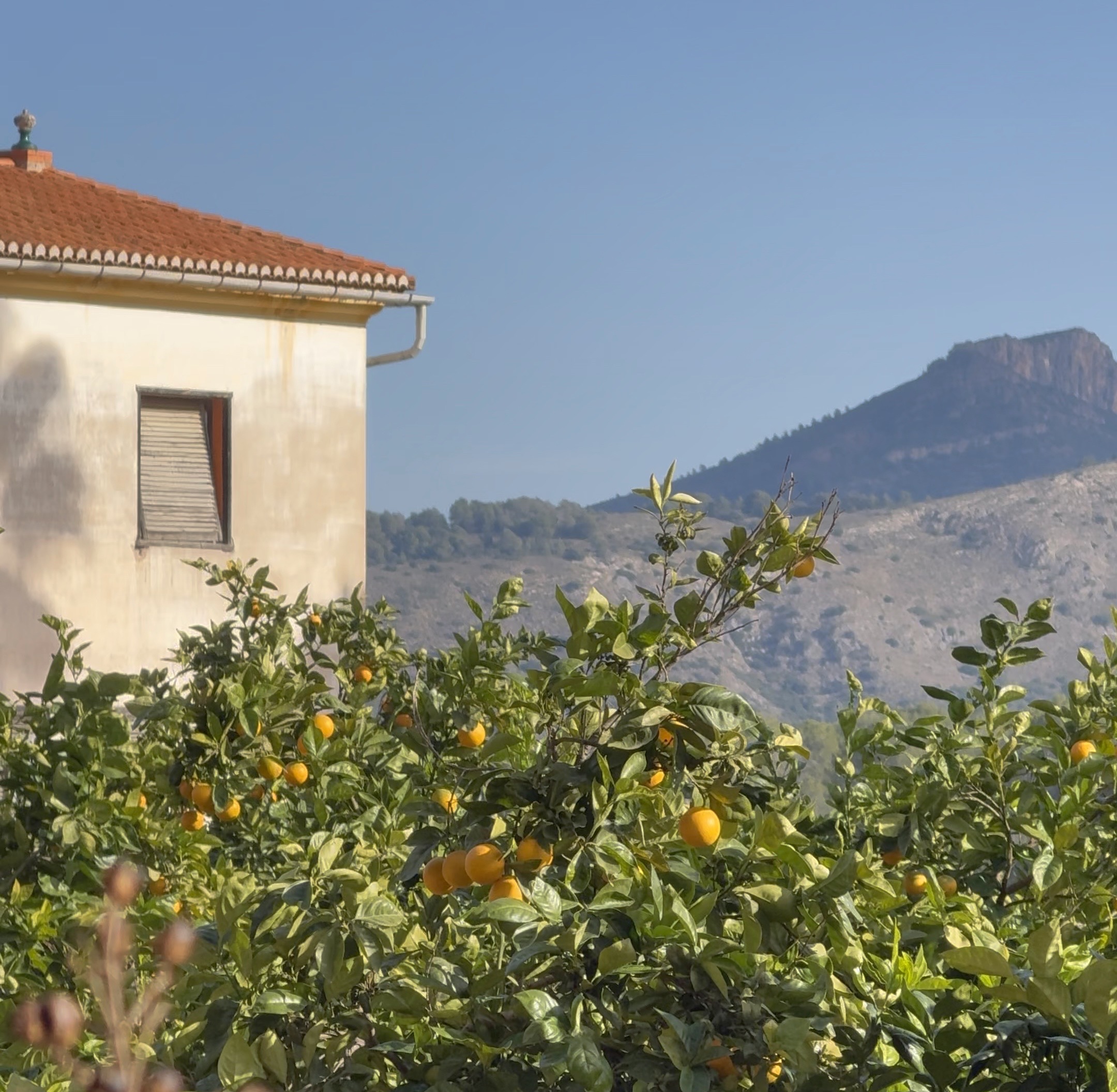
In reality, the Valencian Community remains one of Spain’s most important citrus-producing regions. Oranges, mandarins, lemons, and other citrus varieties are cultivated on working farms that operate year-round, with different activities depending on the season.

Where Huerto Ribera Fits In
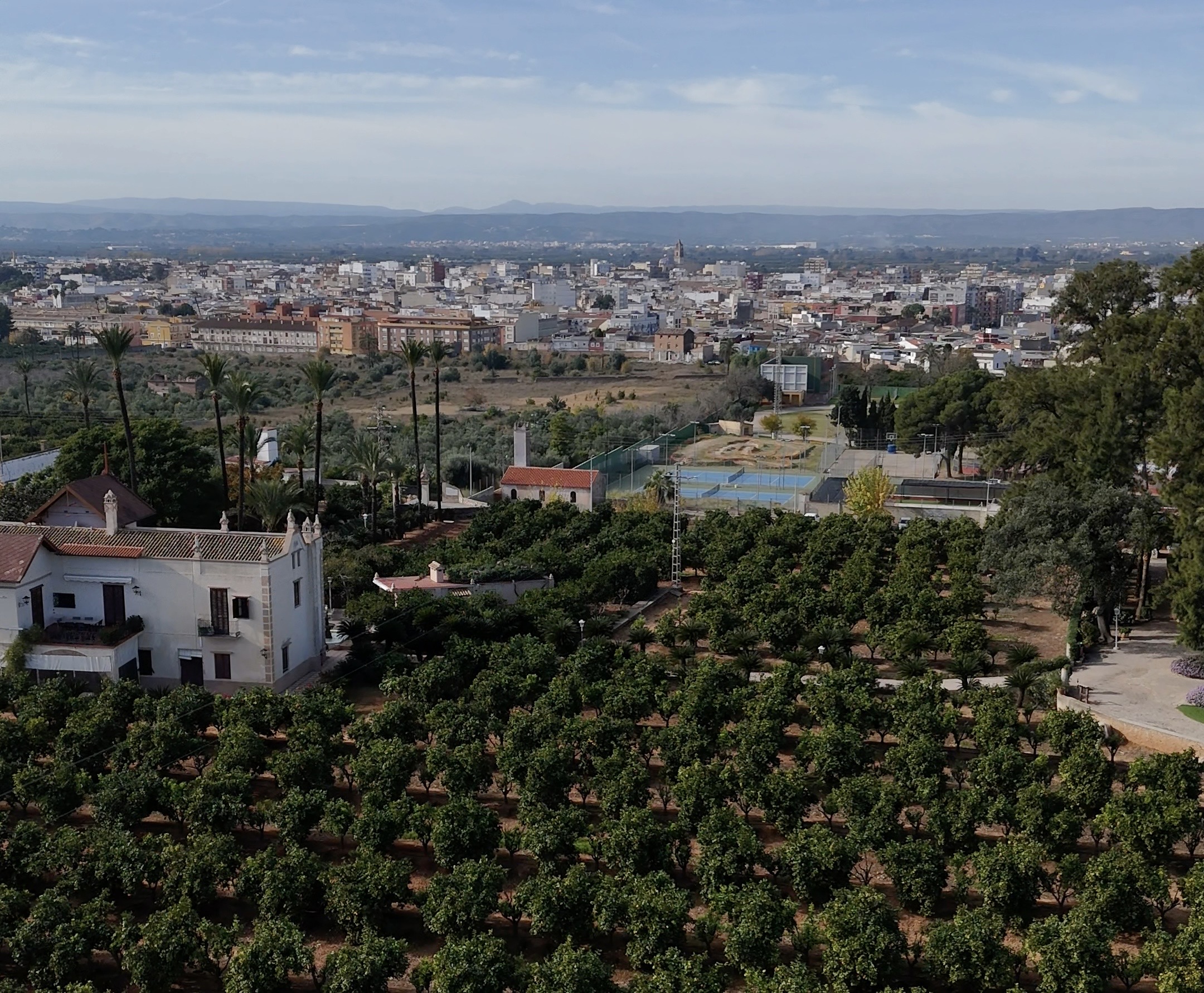
Huerto Ribera is a family-run citrus orchard located just outside Valencia. Unlike decorative groves, this farm is actively cultivated and maintained as part of Spain’s agricultural system.
The orchard grows multiple citrus varieties and operates as both a working farm and a small-scale visitor experience. The goal is not spectacle, but education, preservation, and direct connection between visitors and local agriculture.
What the Visit Is Actually Like
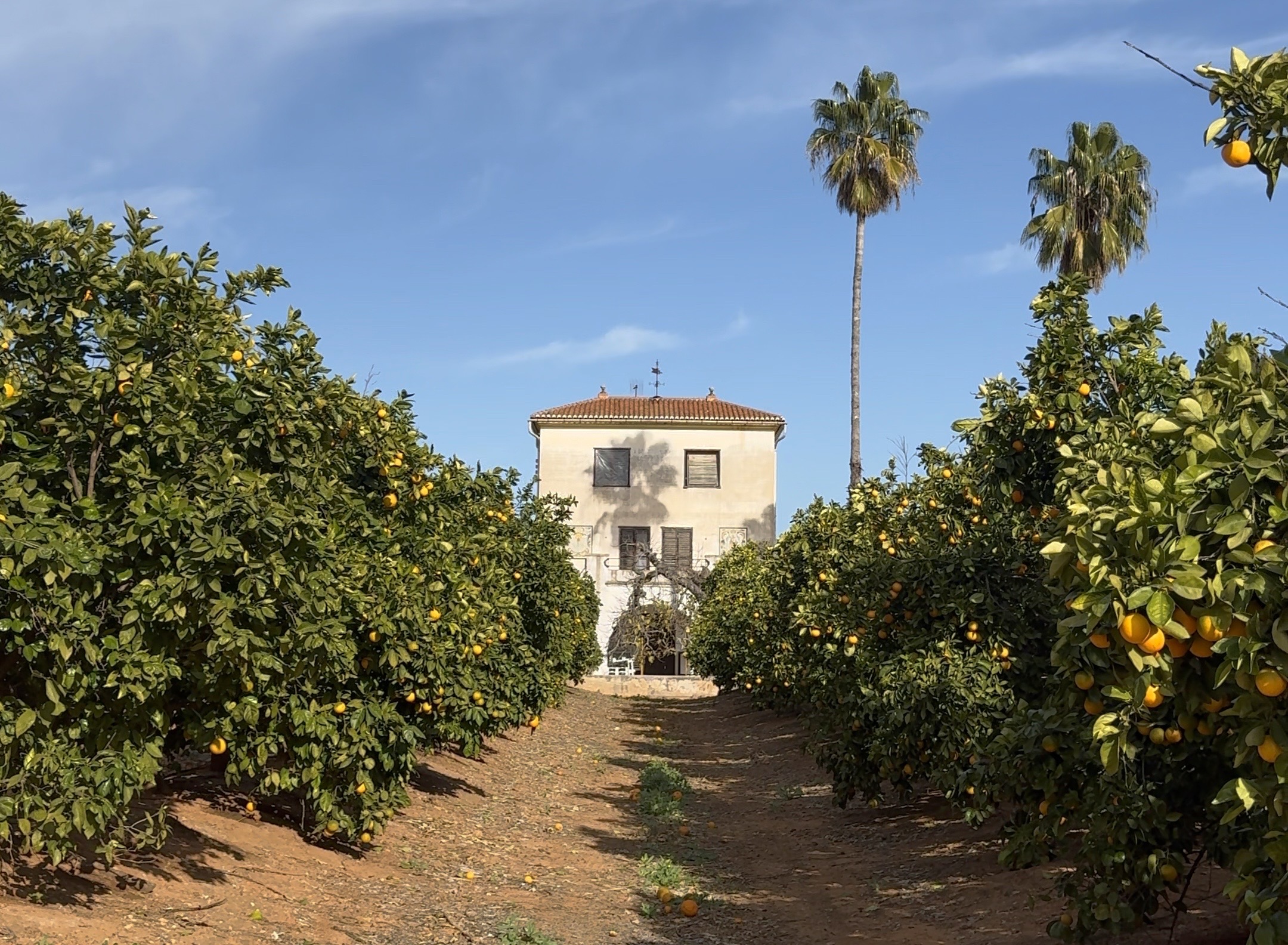
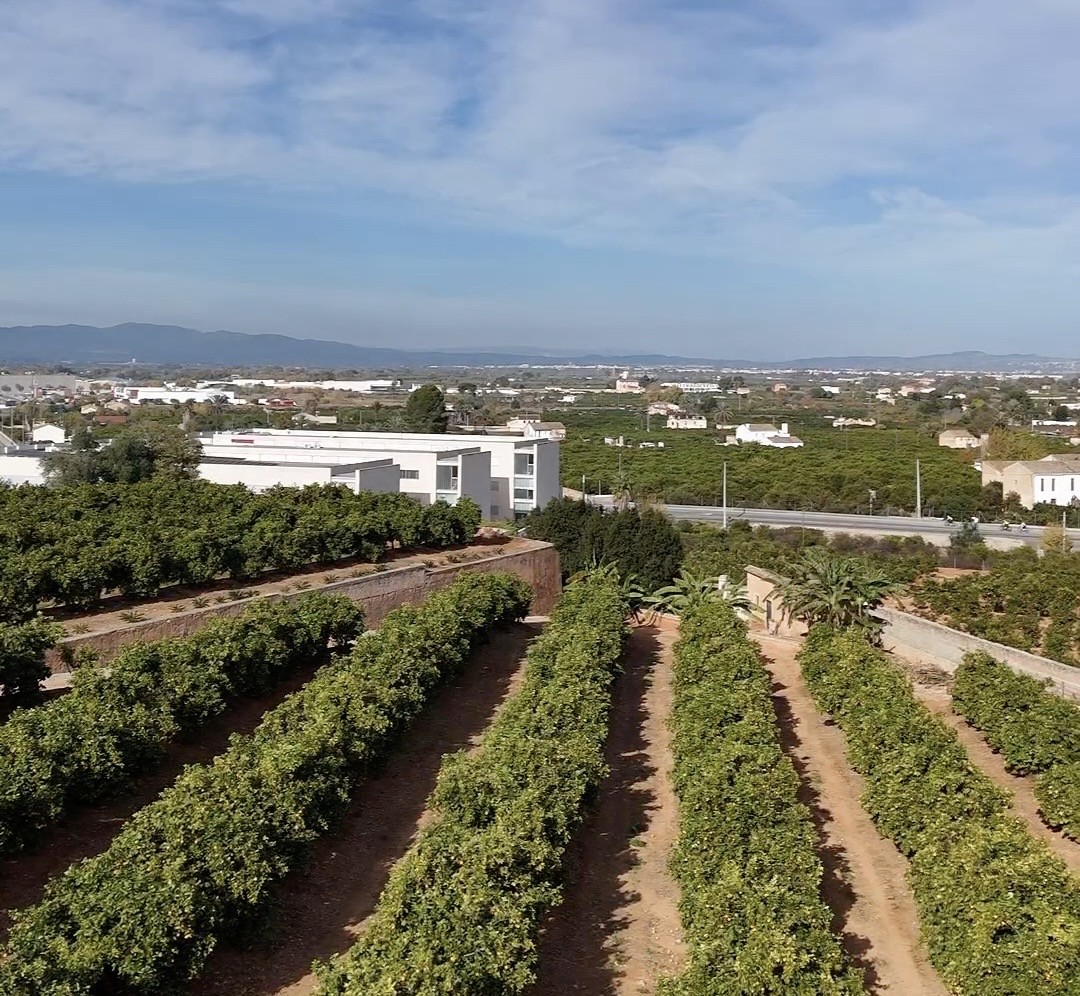
A visit to the orchard begins with a walk through the groves, where you can see how citrus trees are spaced, pruned, and maintained. The paths are dirt, not paved, and the layout reflects practical farming needs rather than aesthetics.
The guide explains how citrus farming works in Valencia, including how weather patterns, irrigation, and soil quality affect the fruit. You also learn why some trees carry fruit at certain times of year while others do not.
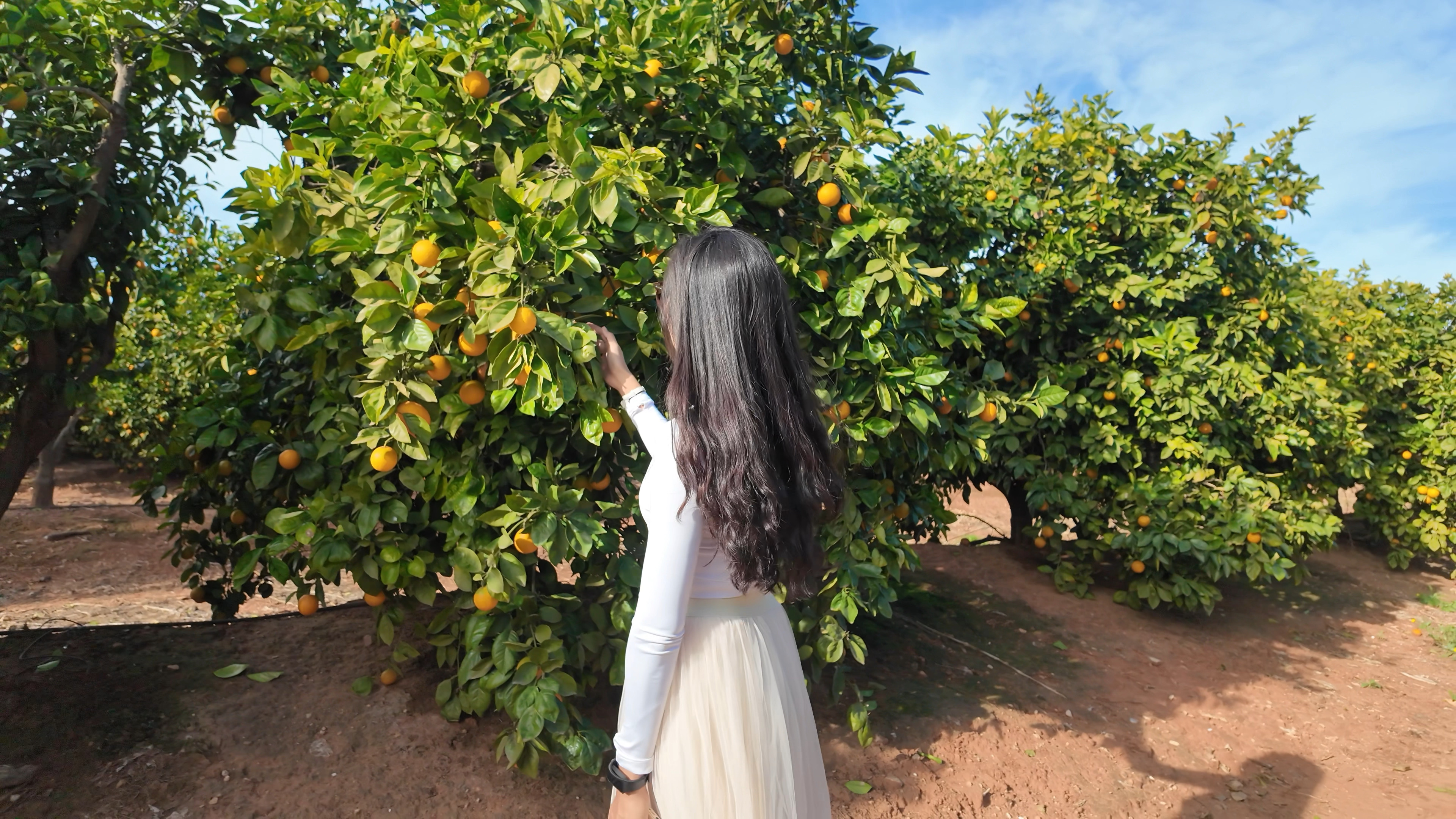
Depending on the timing of your visit, you may see harvesting activity, fruit sorting, or learn about how oranges are prepared for distribution. Tasting is included when fruit is available, but the experience is not positioned as a food tour. It is an agricultural visit first.

Seasonality Without Assumptions
Citrus farming does not follow a single moment of activity. While winter months are commonly associated with orange harvesting, farms like Huerto Ribera operate throughout the year.
What changes is not whether the farm exists, but what visitors will see. Some months focus on harvesting, others on growth cycles, pruning, or preparation for future seasons. This means the experience varies depending on when you visit, rather than disappearing entirely outside a single season.
Why Visiting a Working Orchard Matters
Spain’s citrus industry faces increasing pressure from climate change, water scarcity, and competition from imported produce. Smaller family-run farms are especially vulnerable.
Visiting an orchard like Huerto Ribera supports local agriculture directly. It also preserves agricultural knowledge that is often invisible to visitors who only experience Valencia through its urban landmarks.
This type of visit helps shift tourism away from consumption and toward understanding how local economies actually function.
Who This Experience Is For
This visit is well suited for travelers who are interested in local food systems, slow travel, and learning how regions support themselves beyond tourism.
It works well for couples, families, and solo travelers who want a calm, educational experience.
It is not designed for visitors looking for nightlife, fast-paced sightseeing, or highly curated photo experiences.
Practical Information Before Booking
The orchard is located outside Valencia, and transportation is arranged as part of the visit. Comfortable walking shoes are recommended due to uneven ground.
The experience typically lasts a few hours and involves standing and walking. While photos are welcome, the focus remains on understanding the farm rather than staging content.
How to Visit Huerto Ribera
I booked this visit through GetYourGuide because it clearly lists availability, logistics, and what is included.
If you’re interested in visiting a working orange farm near Valencia, you can check current dates and details here:
 MaureenTravelChic
Leave a comment