Experiential travel & lifestyle content for global brands.
I document places through movement, atmosphere, and lived experience, creating visual stories designed for brands, destinations, and audiences beyond a single platform.
What I learned from applying for Spain’s Digital Nomad Visa and what you should know before starting the process.
Living in Spain has been one of the most meaningful chapters of my life.
But behind the cafés, slow mornings, and everyday moments here is something people rarely talk about – the legal process that makes it possible.
Spain introduced the Digital Nomad Visa to allow remote professionals working for companies outside the country to live in Spain legally.
Spain’s Digital Nomad Visa allows remote workers and freelancers to live in Spain while working for companies outside the country.
However, like any residency process, it comes with requirements, documentation, and responsibilities.
In this article, I’ll explain the basics of how the visa works and what people should understand before starting the process.
What Is Spain’s Digital Nomad Visa?
Spain’s Digital Nomad Visa is part of the country’s Startup Law, designed to attract remote professionals and entrepreneurs who work for companies outside Spain.
It allows eligible applicants to live in Spain while working remotely for foreign companies or clients.
The visa is typically suitable for:
• remote employees working for companies outside Spain • freelancers with international clients • entrepreneurs running location-independent businesses
For many people, it provides a legal pathway to experience life in Spain while maintaining their existing work.
Basic Requirements
While requirements can vary depending on each situation, applicants usually need to demonstrate several things:
• proof of remote work for companies outside Spain • minimum income threshold • professional qualifications or relevant experience • private health insurance • clean criminal record • official documents and translations
Preparing the application can involve gathering multiple documents and navigating Spain’s administrative procedures.
What Many People Don’t Realize
Living in another country is exciting, but it also comes with responsibilities.
Beyond the initial visa application, applicants may also need to understand:
Spain offers an incredible quality of life, but living here also means respecting the legal systems and institutions that support the country.
Getting Professional Guidance
When I went through my own visa process, I worked with an immigration lawyer to help navigate the paperwork and requirements.
Today there are also platforms that connect applicants with immigration professionals who specialize in Spain’s Digital Nomad Visa.
One option people exploring the process may consider is Hoply, a platform that connects applicants with immigration lawyers experienced in Digital Nomad Visa applications.
Because every application can be different, many people choose to consult immigration professionals who specialize in Spain’s Digital Nomad Visa process.
If you’re researching the process and want to explore your options, you can learn more here:
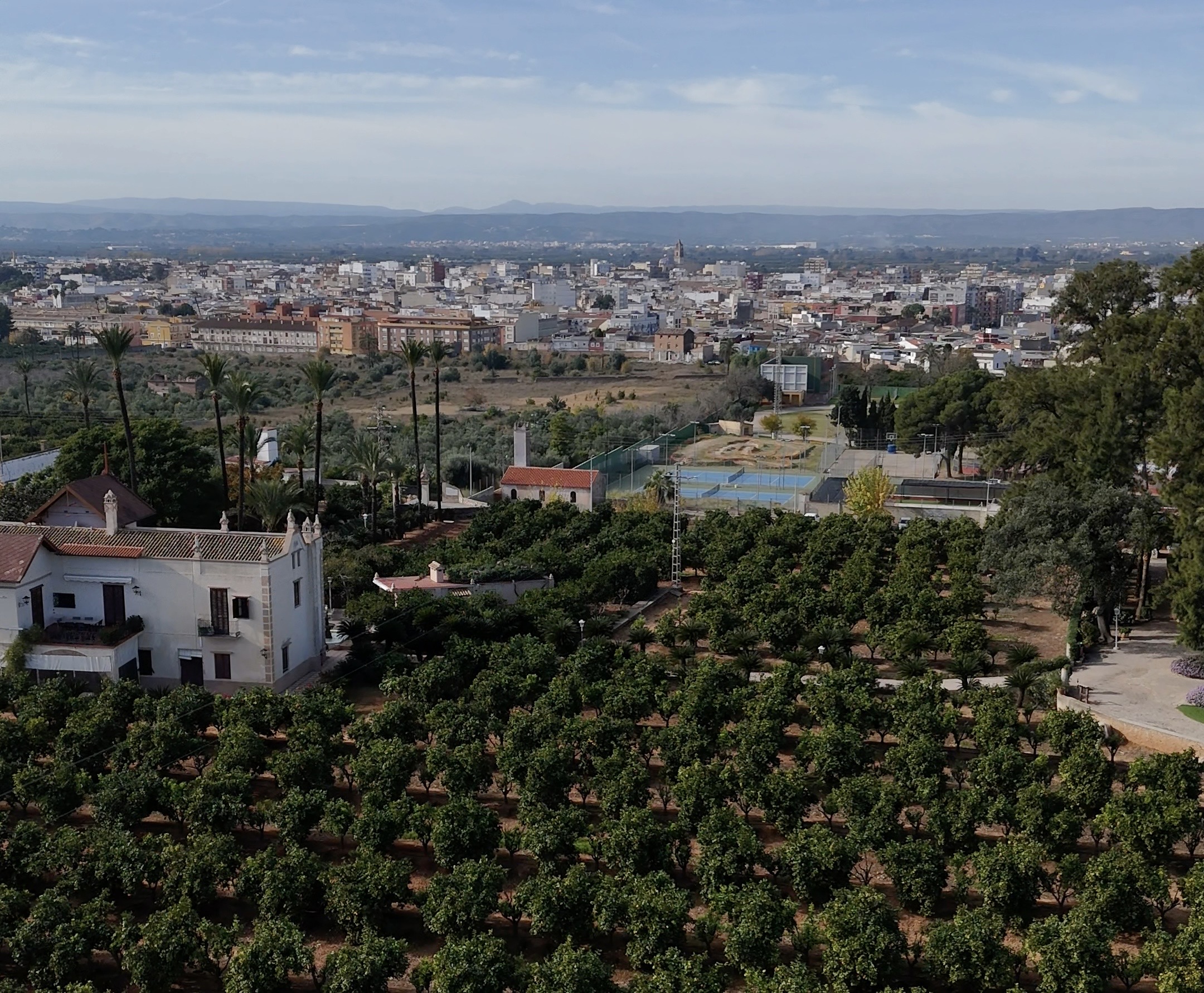
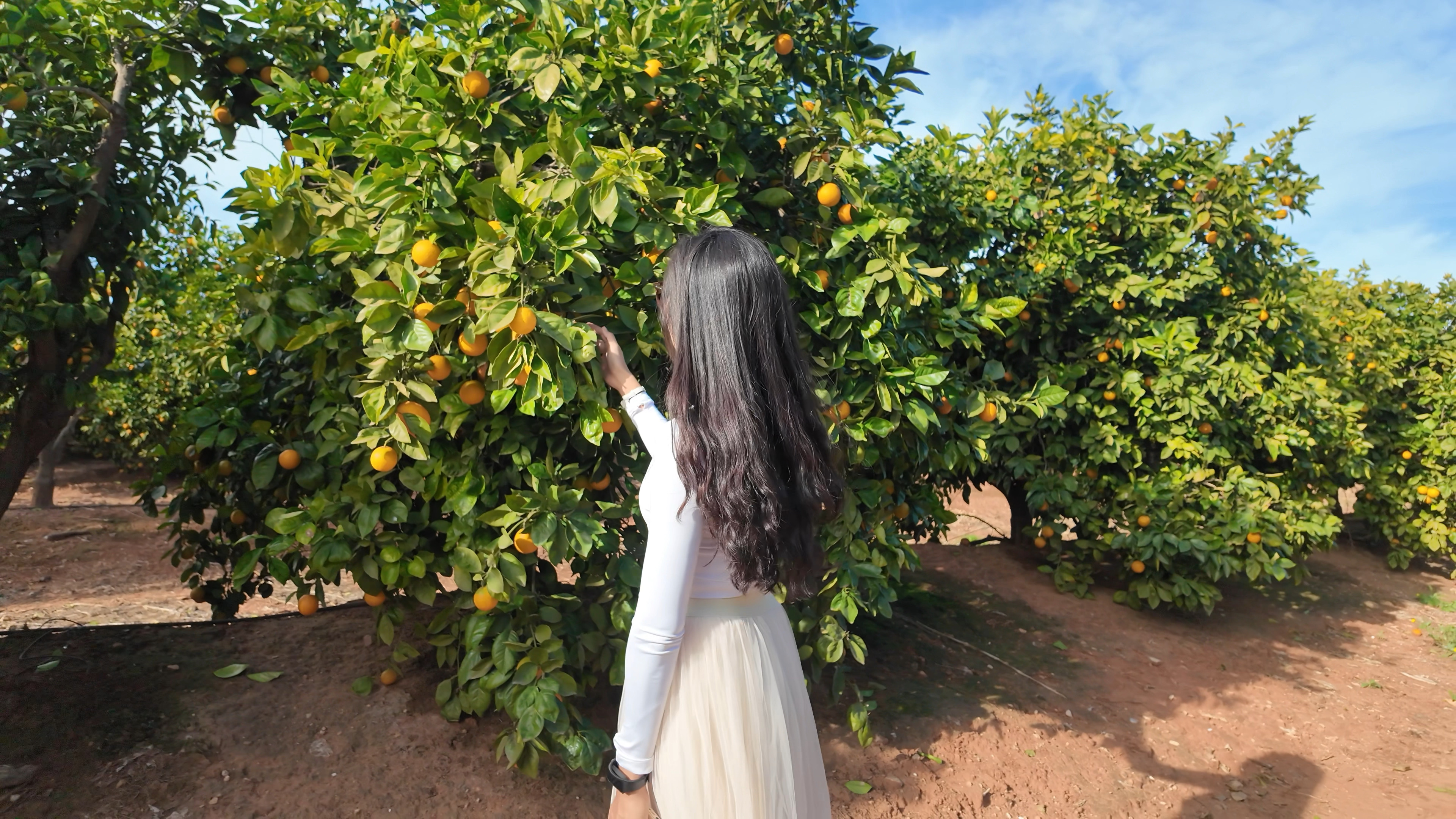
Valencia is famous for oranges, but most people only encounter them as decorative trees lining city streets and plazas. What many visitors don’t realize is that just outside the city, there are still working citrus farms that supply fruit across Spain and Europe.
I visited one of these farms, Huerto Ribera, to understand what actually happens behind Valencia’s orange reputation and whether visiting a real orchard is worth your time.
Oranges in Valencia Are Not Just Decoration
The orange trees you see around Valencia’s historic center are primarily ornamental. The fruit is usually bitter and not intended for consumption. This often leads visitors to assume that Valencia’s orange culture is mostly symbolic.
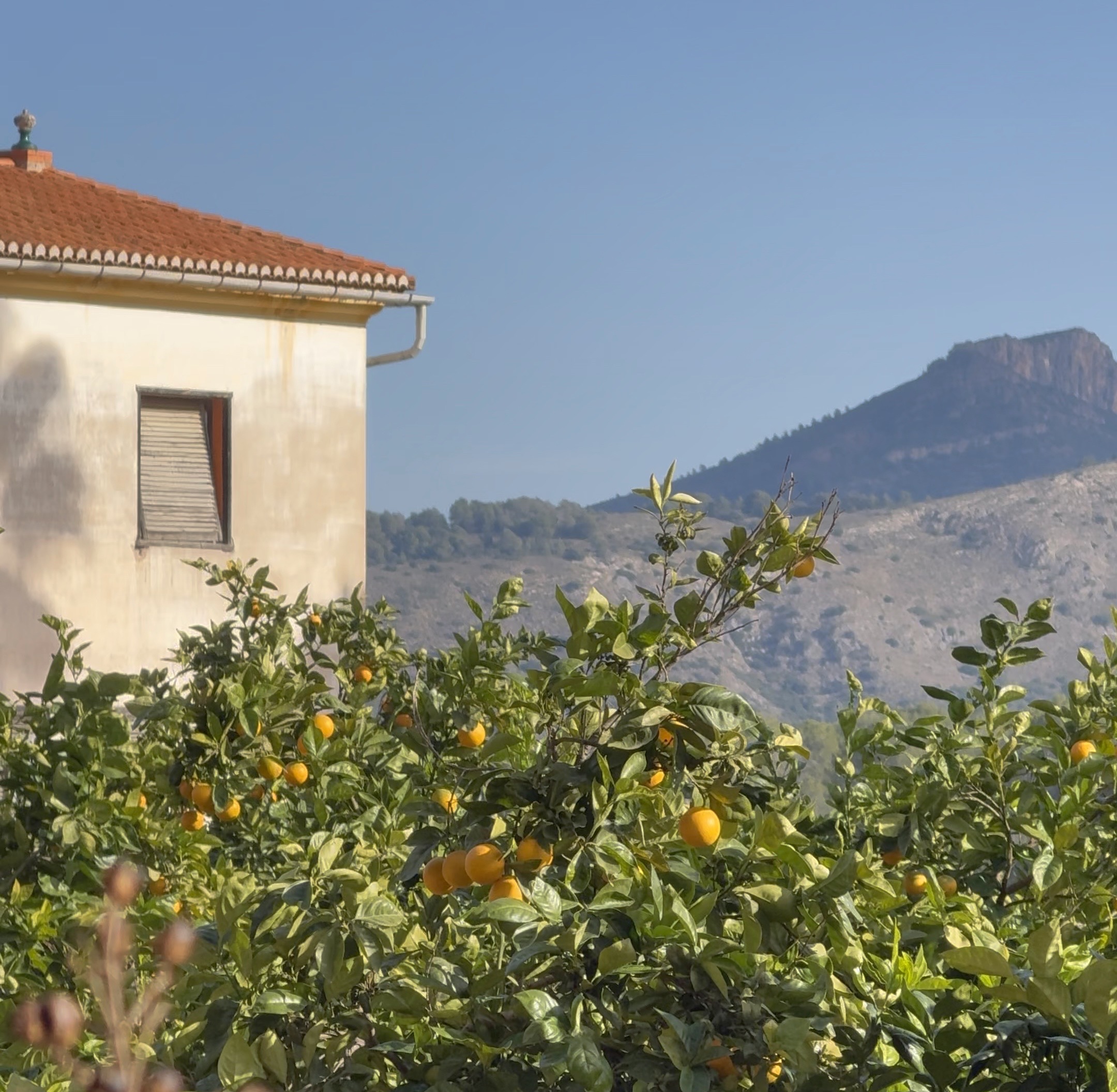
In reality, the Valencian Community remains one of Spain’s most important citrus-producing regions. Oranges, mandarins, lemons, and other citrus varieties are cultivated on working farms that operate year-round, with different activities depending on the season.
Where Huerto Ribera Fits In
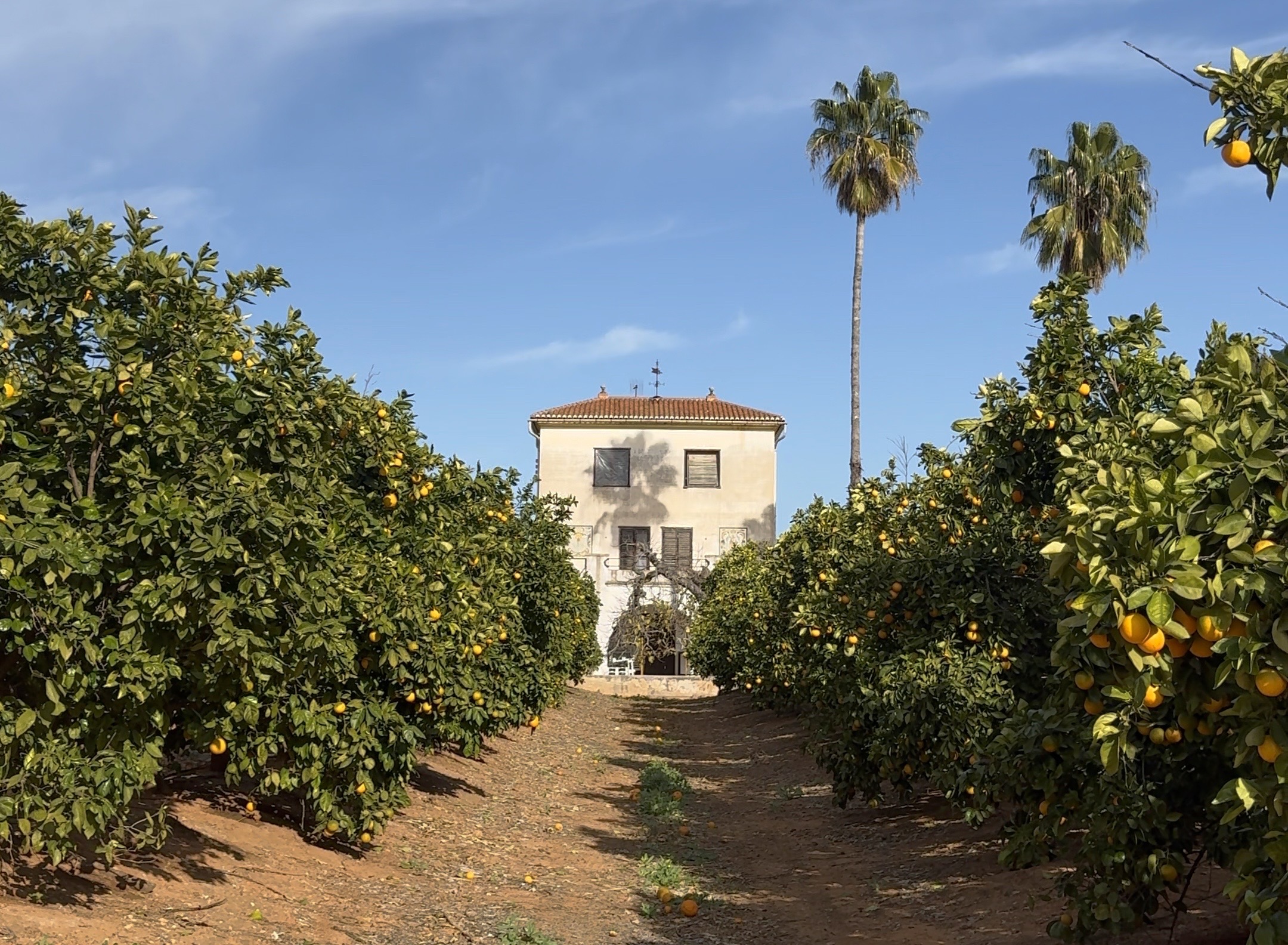
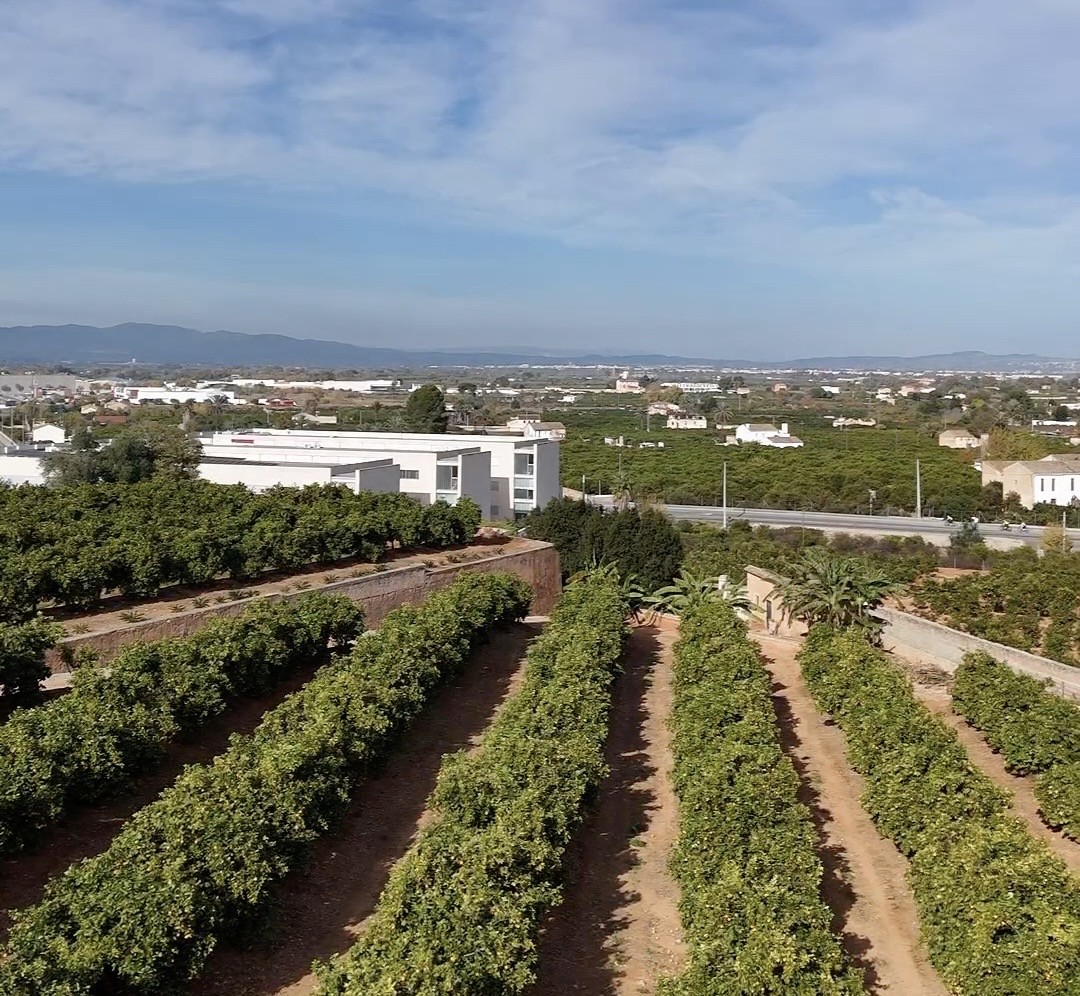
Huerto Ribera is a family-run citrus orchard located just outside Valencia. Unlike decorative groves, this farm is actively cultivated and maintained as part of Spain’s agricultural system.
The orchard grows multiple citrus varieties and operates as both a working farm and a small-scale visitor experience. The goal is not spectacle, but education, preservation, and direct connection between visitors and local agriculture.
What the Visit Is Actually Like
A visit to the orchard begins with a walk through the groves, where you can see how citrus trees are spaced, pruned, and maintained. The paths are dirt, not paved, and the layout reflects practical farming needs rather than aesthetics.
The guide explains how citrus farming works in Valencia, including how weather patterns, irrigation, and soil quality affect the fruit. You also learn why some trees carry fruit at certain times of year while others do not.
Depending on the timing of your visit, you may see harvesting activity, fruit sorting, or learn about how oranges are prepared for distribution. Tasting is included when fruit is available, but the experience is not positioned as a food tour. It is an agricultural visit first.
Seasonality Without Assumptions
Citrus farming does not follow a single moment of activity. While winter months are commonly associated with orange harvesting, farms like Huerto Ribera operate throughout the year.
What changes is not whether the farm exists, but what visitors will see. Some months focus on harvesting, others on growth cycles, pruning, or preparation for future seasons. This means the experience varies depending on when you visit, rather than disappearing entirely outside a single season.
Why Visiting a Working Orchard Matters
Spain’s citrus industry faces increasing pressure from climate change, water scarcity, and competition from imported produce. Smaller family-run farms are especially vulnerable.
Visiting an orchard like Huerto Ribera supports local agriculture directly. It also preserves agricultural knowledge that is often invisible to visitors who only experience Valencia through its urban landmarks.
This type of visit helps shift tourism away from consumption and toward understanding how local economies actually function.
Who This Experience Is For
This visit is well suited for travelers who are interested in local food systems, slow travel, and learning how regions support themselves beyond tourism.
It works well for couples, families, and solo travelers who want a calm, educational experience.
It is not designed for visitors looking for nightlife, fast-paced sightseeing, or highly curated photo experiences.
Practical Information Before Booking
The orchard is located outside Valencia, and transportation is arranged as part of the visit. Comfortable walking shoes are recommended due to uneven ground.
The experience typically lasts a few hours and involves standing and walking. While photos are welcome, the focus remains on understanding the farm rather than staging content.
How to Visit Huerto Ribera
I booked this visit through GetYourGuide because it clearly lists availability, logistics, and what is included.
If you’re interested in visiting a working orange farm near Valencia, you can check current dates and details here:
Strasbourg had been on my list for years, but nothing really prepared me for how immersive the Christmas markets feel once you’re there.
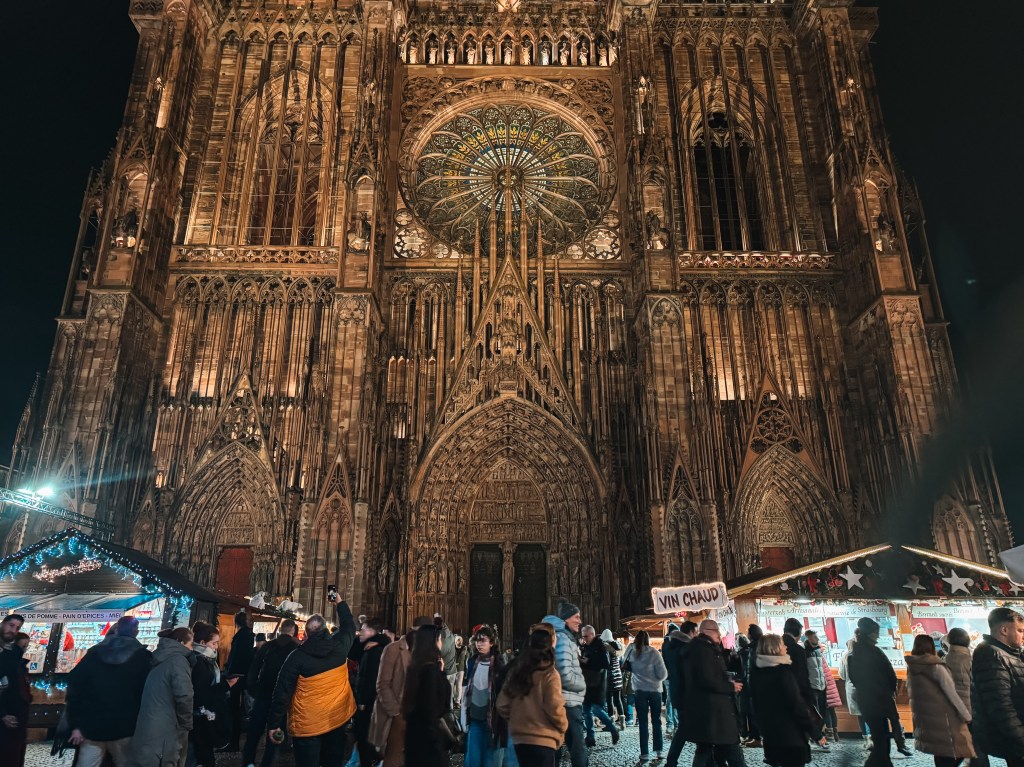
It’s not one single market you arrive at and leave. The markets stretch across the city, from the cathedral area to Place Kléber and the smaller streets connecting them. I didn’t follow a route or a checklist. I just walked, stopped when something caught my eye, and kept going.
This is what it felt like, what surprised me, and what to expect if you’re planning to visit Strasbourg in December.
It’s Not Just One Christmas Market
What stood out immediately is that Strasbourg doesn’t feel like it has a “main” market you visit and move on from.
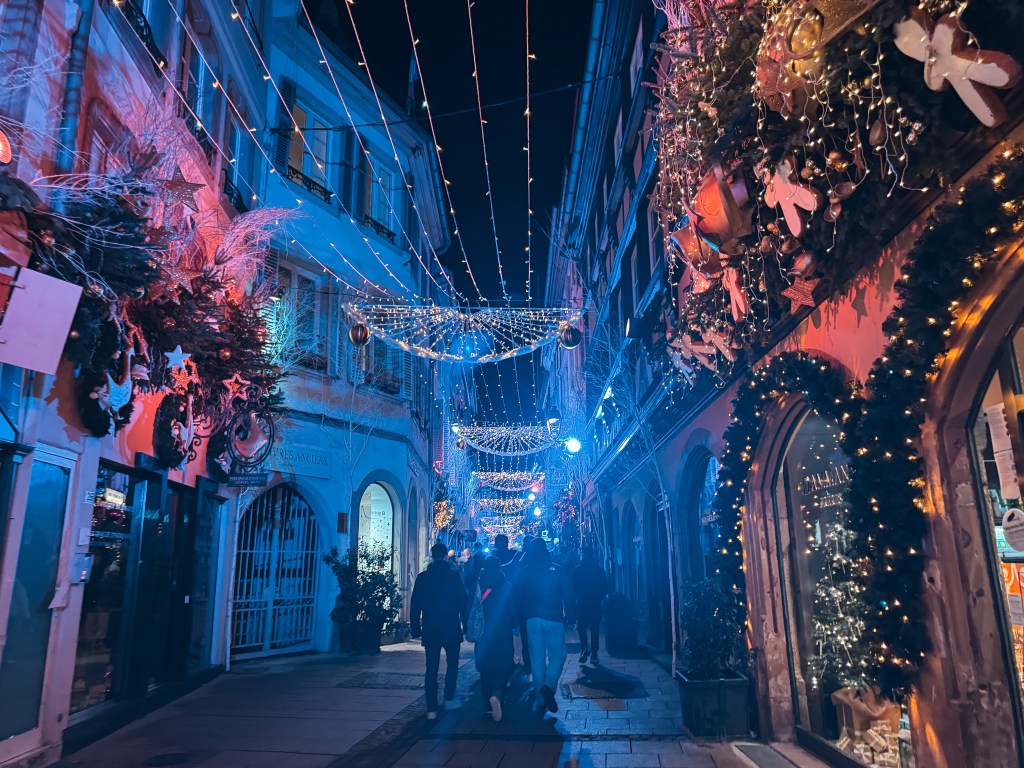
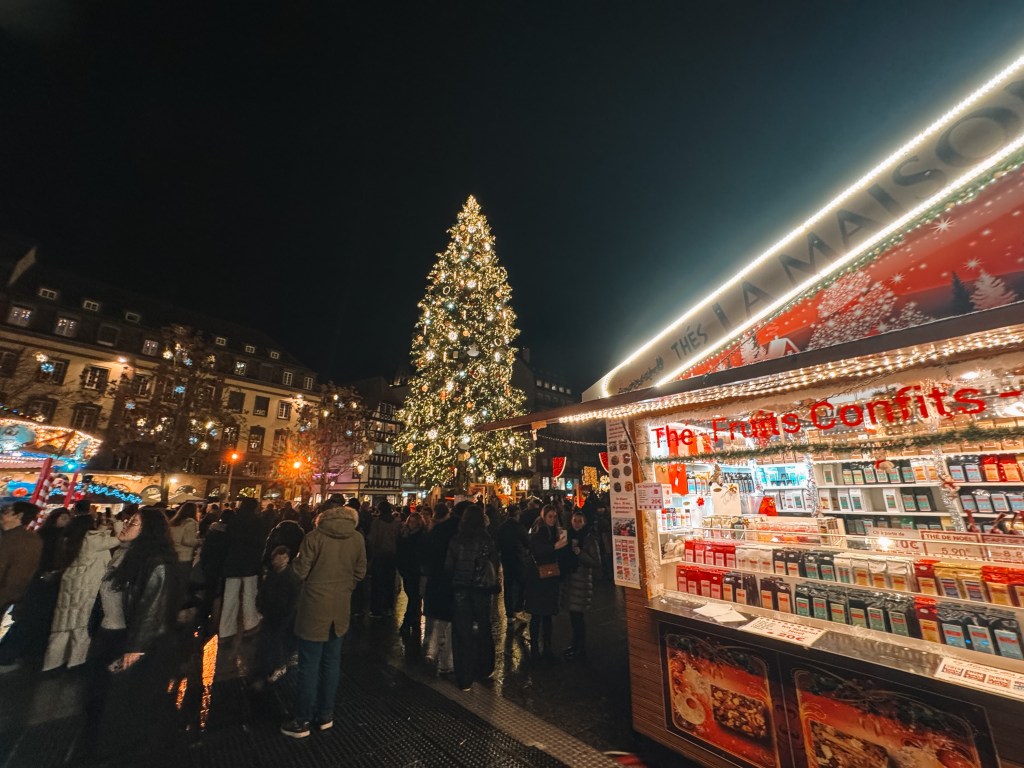
The markets are spread throughout the city. You’ll pass stalls around the cathedral, reach the big open space at Place Kléber with the Christmas tree, then wander into smaller streets where the decorations continue. It feels continuous, like the entire city decided to participate.
I passed through several market areas without counting how many. It felt more like one long experience than hopping between locations.
The Cathedral Changes the Whole Atmosphere
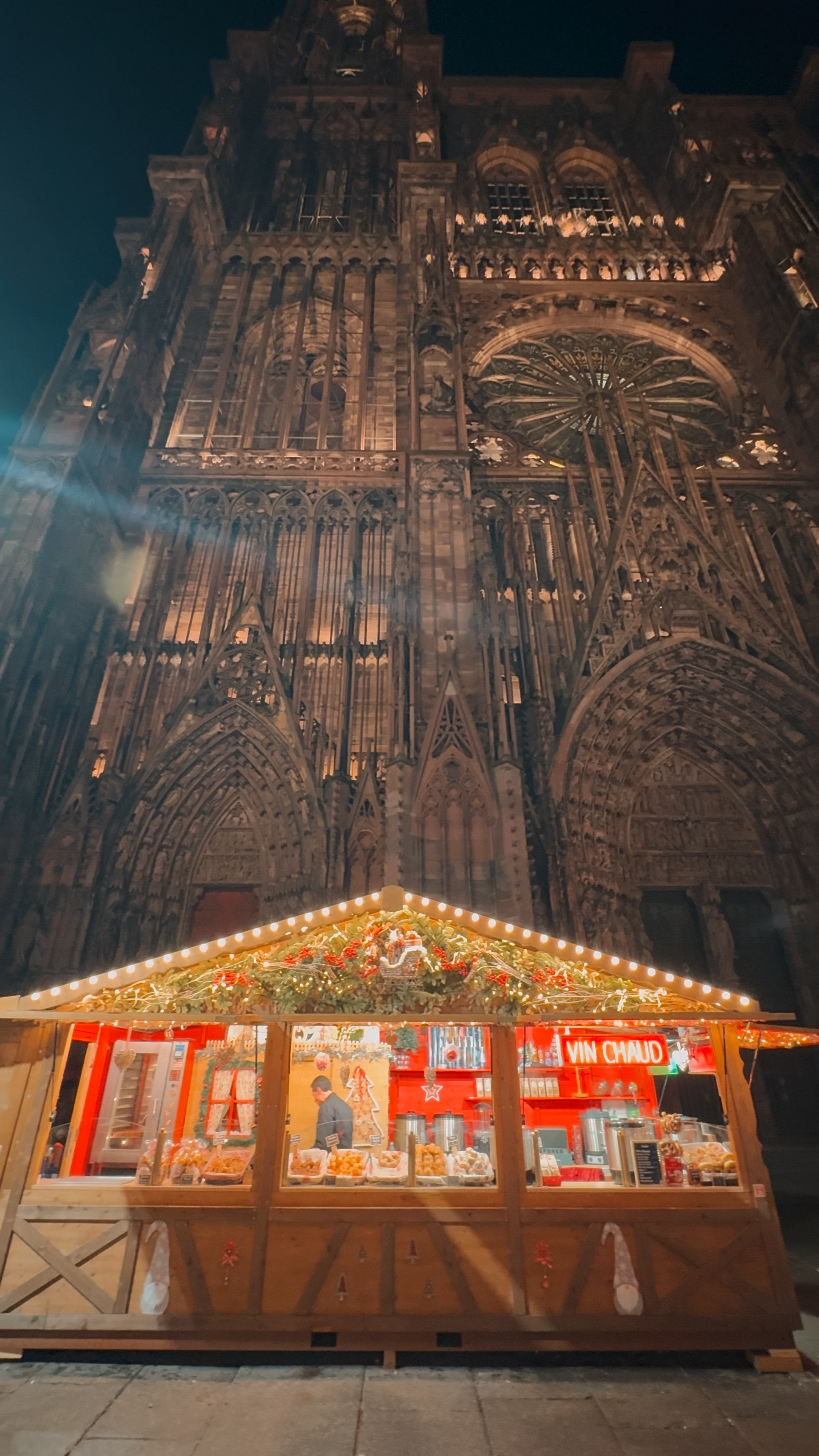
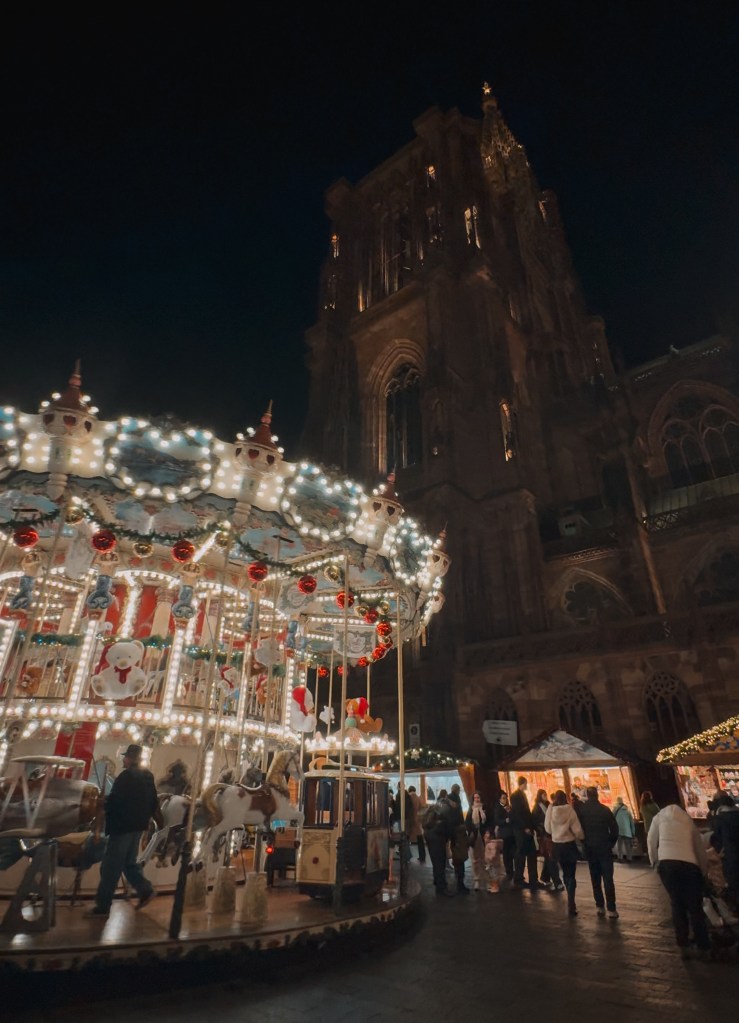
Strasbourg Cathedral is massive, and seeing it next to the markets completely changes the mood.
The scale of it is grounding. You have the warmth of the lights, the steam from the food stalls, and then this towering Gothic structure in the background. It makes the whole experience feel calm and humbling at the same time, even when it’s crowded.
It’s one of those places where you keep looking up without realizing it.
The Details Are Everywhere
What really impressed me wasn’t just the lights, but the amount of detail.
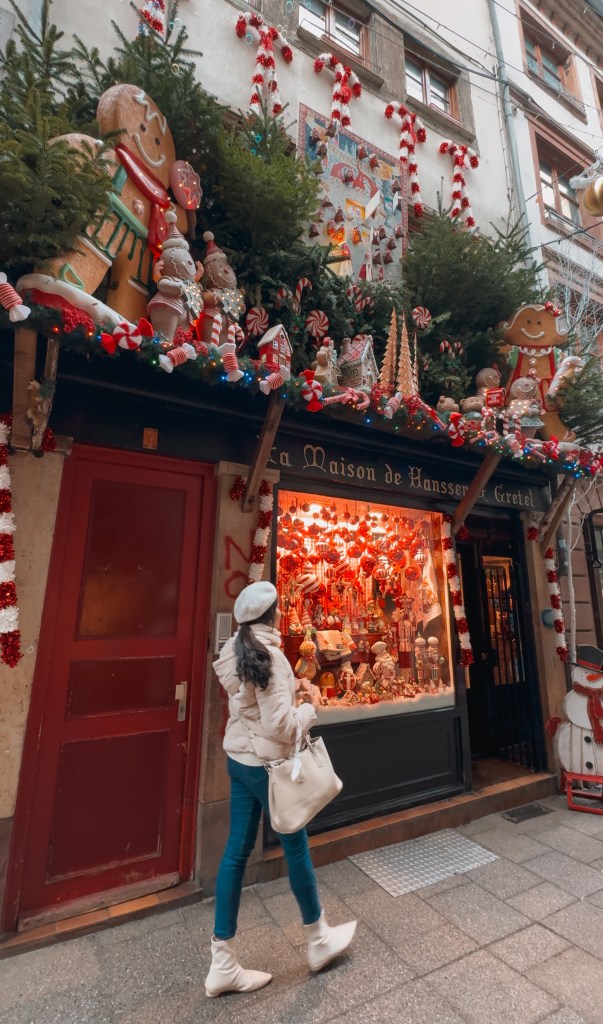
Full-size decorations hanging from buildings, oversized teddy bears on shop fronts, gingerbread displays, tiny moving toys in windows. It’s easy to decorate a tree, but decorating entire streets at this scale takes intention.
Almost every corner had something worth stopping for.
What to Expect From the Food
You don’t need to try everything. Walking around with one or two things is enough.
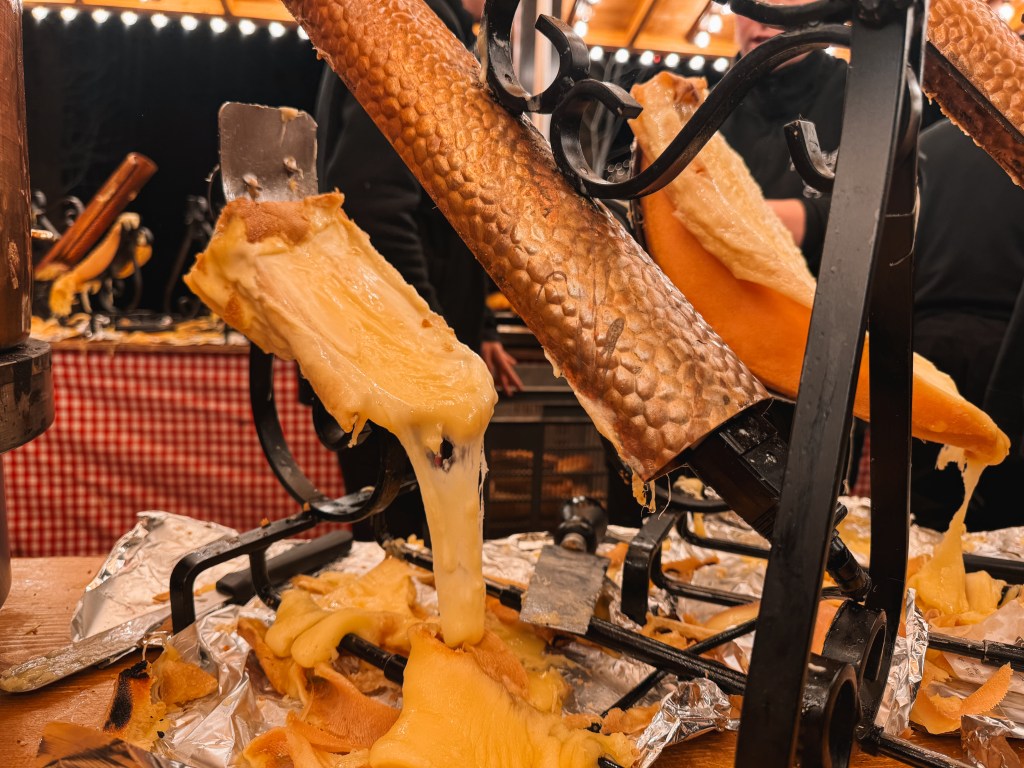
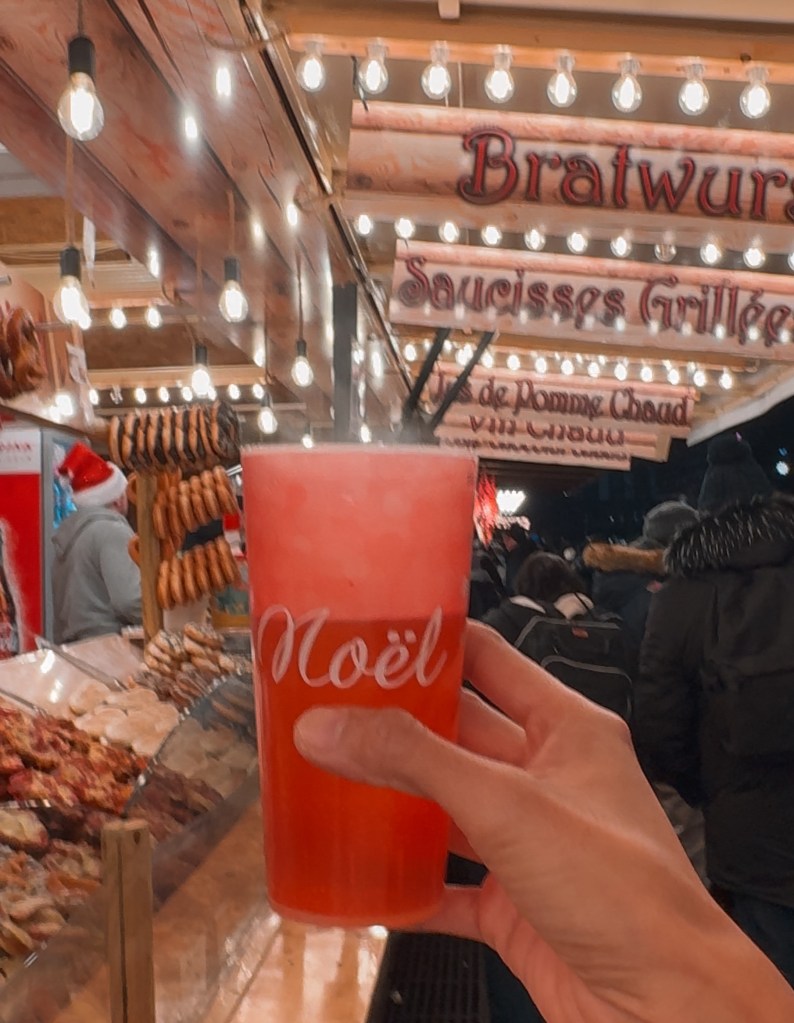
I had a pretzel and vin chaud, and later noticed raclette, sausages, crepes, and chocolate stalls everywhere. The steam, the smell, and the way people stand around eating makes the markets feel warm, especially at night.
It’s not about sitting down for a meal. It’s about holding something hot while you keep walking.
Crowds: Yes, They’re There (But It Still Works)
Strasbourg Christmas markets are busy, especially in the evening. That’s unavoidable.
But because the markets are spread out, it never felt completely overwhelming. You move with the crowd, stop when you want, then continue. The atmosphere stays relaxed rather than rushed.
If you prefer fewer people, earlier evenings or weekday visits help. But even with crowds, the experience still feels worth it.
Practical Tips Before You Go
• Dress warm. Standing still to look at details gets cold fast.
• Bring a card, but small cash can still help at some stalls.
• Don’t rush to “see everything.” Wandering is part of the experience.
• Expect crowds, especially after dark.
Where I Stayed & How I Got Around
Strasbourg is very walkable, especially during Christmas market season. Staying near the city center makes it easy to explore the markets without planning routes or relying on transport.
If you’re visiting in December, being within walking distance of the cathedral or Place Kléber makes a big difference, especially in the evenings.
Some links below may be affiliate links. I only share places and services I genuinely recommend.
Final Thoughts
Strasbourg at Christmas isn’t about ticking off markets or finding the “best” stall.
It’s about walking through a city that fully commits to the season. Lights, food, architecture, and small details all working together. Even with crowds, it feels warm and intentional.
If you’re visiting Europe in December, Strasbourg is worth slowing down for.
This article is part of my lived experience as a digital nomad building a slower, more intentional life in Spain.
Moving to Spain was not a random decision for me. I did not wake up one day and point at a map. I researched, compared cities, asked myself what kind of life I wanted and looked at what was realistically sustainable for me long term.
After visiting different places and understanding how I want to live, Valencia became the clear choice.
Why Spain Made Sense for Me in the First Place
Spain checked several important boxes for me. I come from a tropical country, so warm and sunny weather all year matters to me. Spain has a climate that feels comfortable even in winter, which helps me stay active and enjoy life outdoors.
I also wanted a place where long term residency made sense. The Digital Nomad Visa opened that possibility for me. I discovered it by chance online, prepared my documents, applied in December 2024 and received my visa shortly after. Spain offered a path that felt stable and doable.
These two reasons made Spain the country where I could realistically build my next chapter.
The Spanish Cities I Considered and Why I Did Not Choose Them
Before choosing Valencia, I explored other cities seriously.
Málaga
Beautiful and calm, but it felt too small for long term living. It is also farther from major European routes, which matters if you travel often.
Madrid
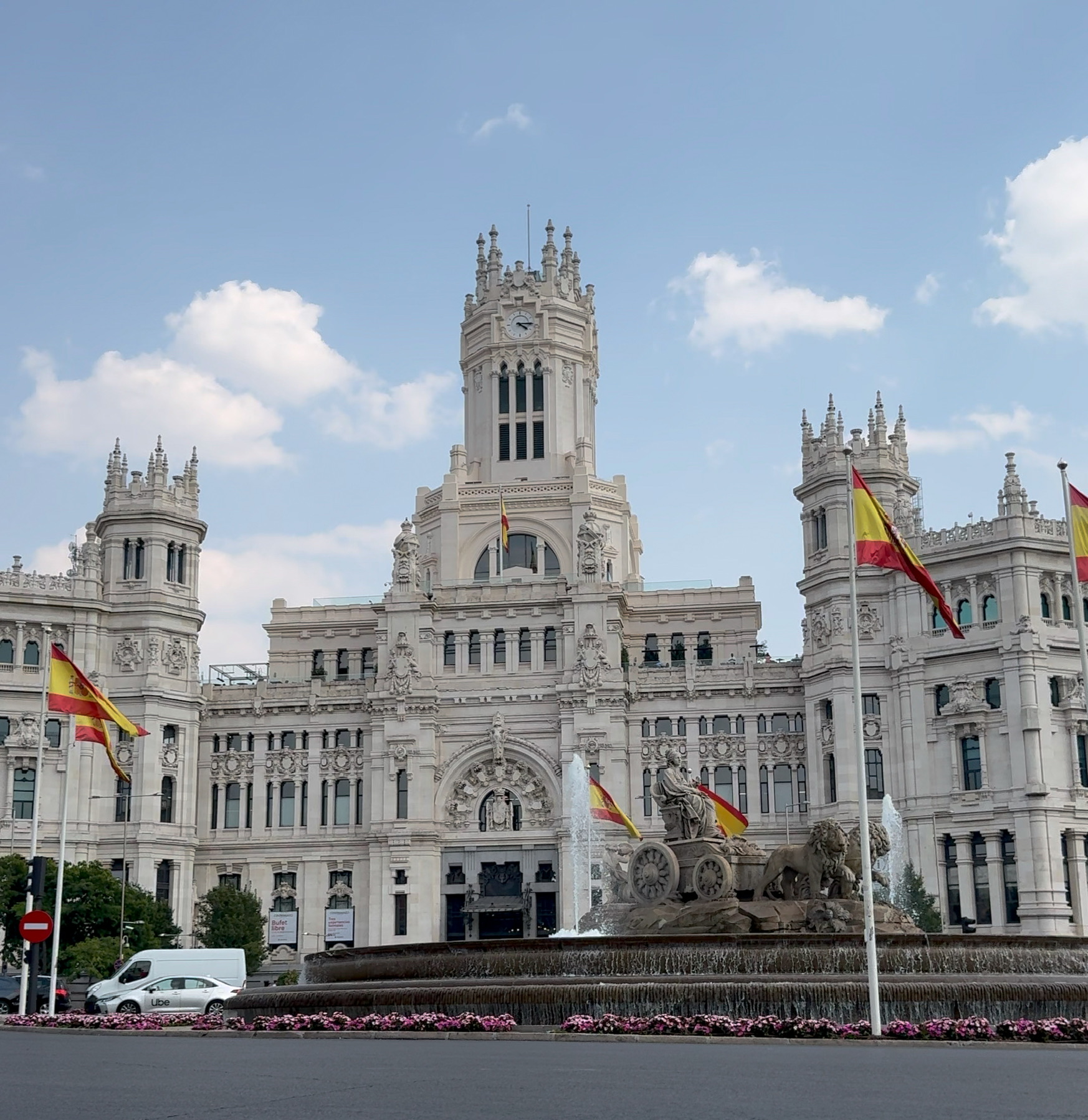
Madrid is full of energy, culture, and life, but the pace is fast. People move quickly, the city is huge and the constant rush did not match the lifestyle I want to maintain daily.
Barcelona
Barcelona is iconic and exciting, but crowded and hectic. Accommodation is expensive, and the atmosphere felt overwhelming for my preferred rhythm.
Alicante
Lovely, but too small for my needs. I wanted more variety, more activities, and a bigger community.
Why Valencia Felt Right for My Daily Life
Valencia offers a balance that I did not feel anywhere else.
It is not too big and not too small. It has everything I need, but it never feels stressful or chaotic. The city makes daily life easy, comfortable and enjoyable.
Walkability and Bike Life
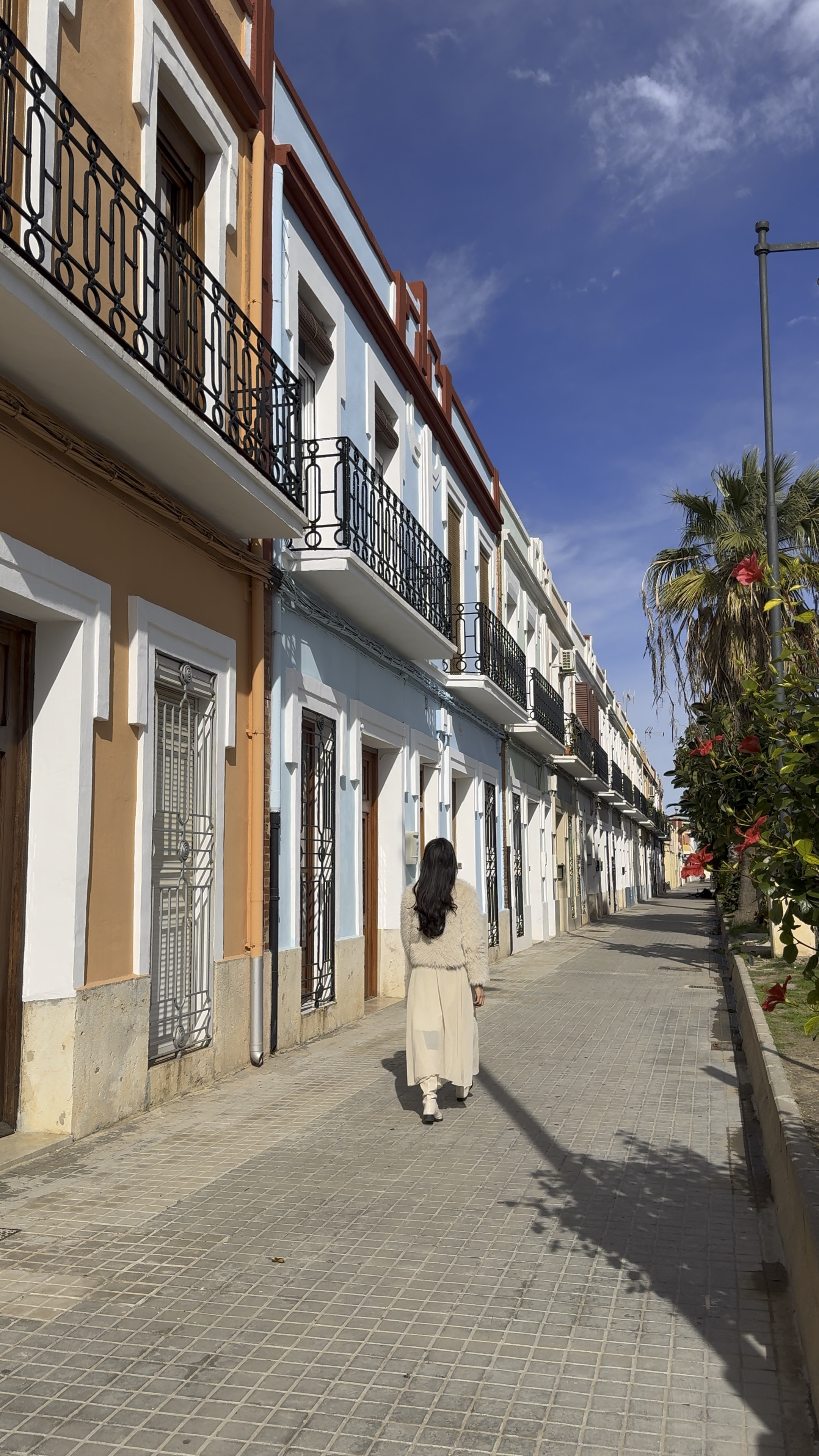
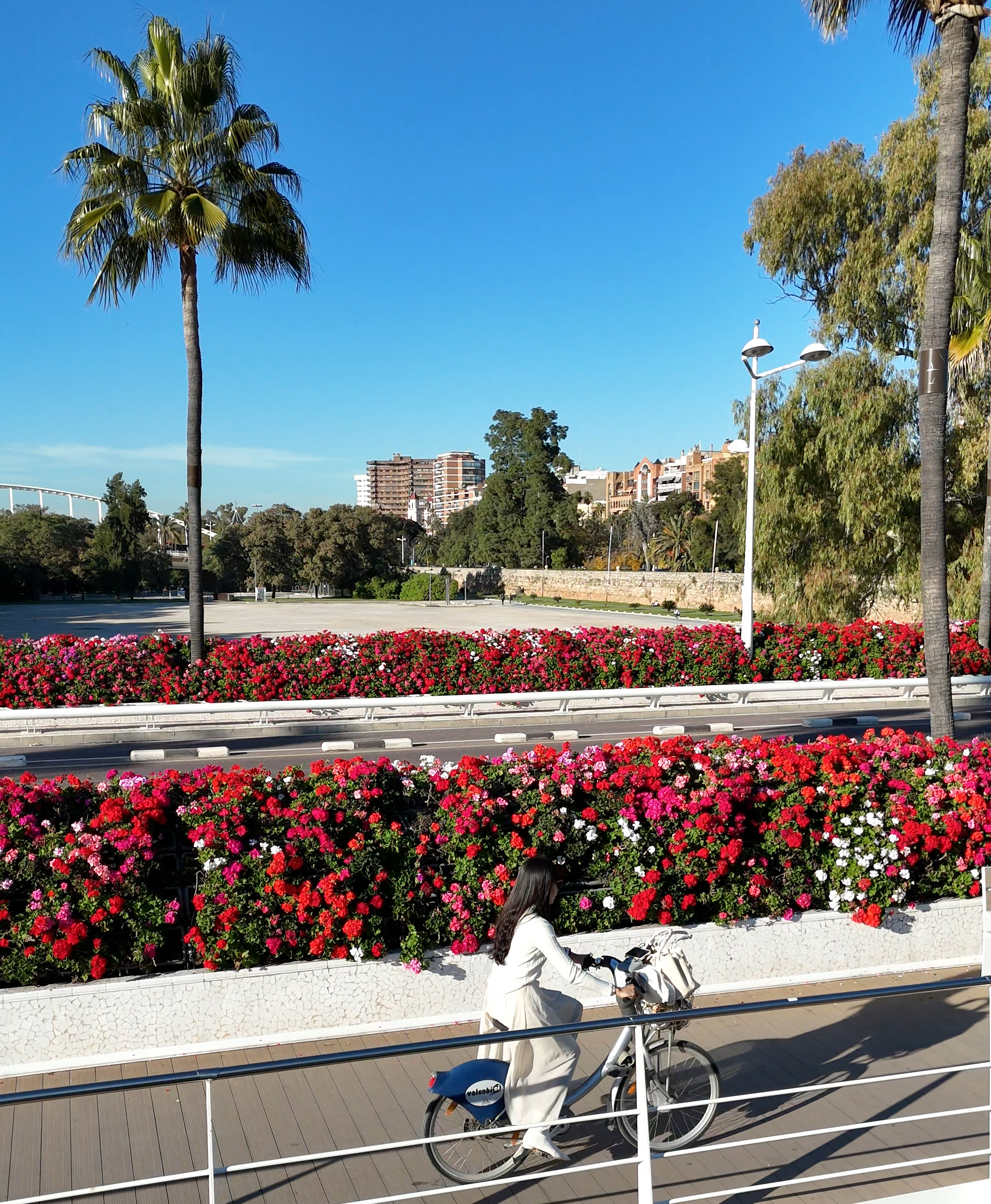
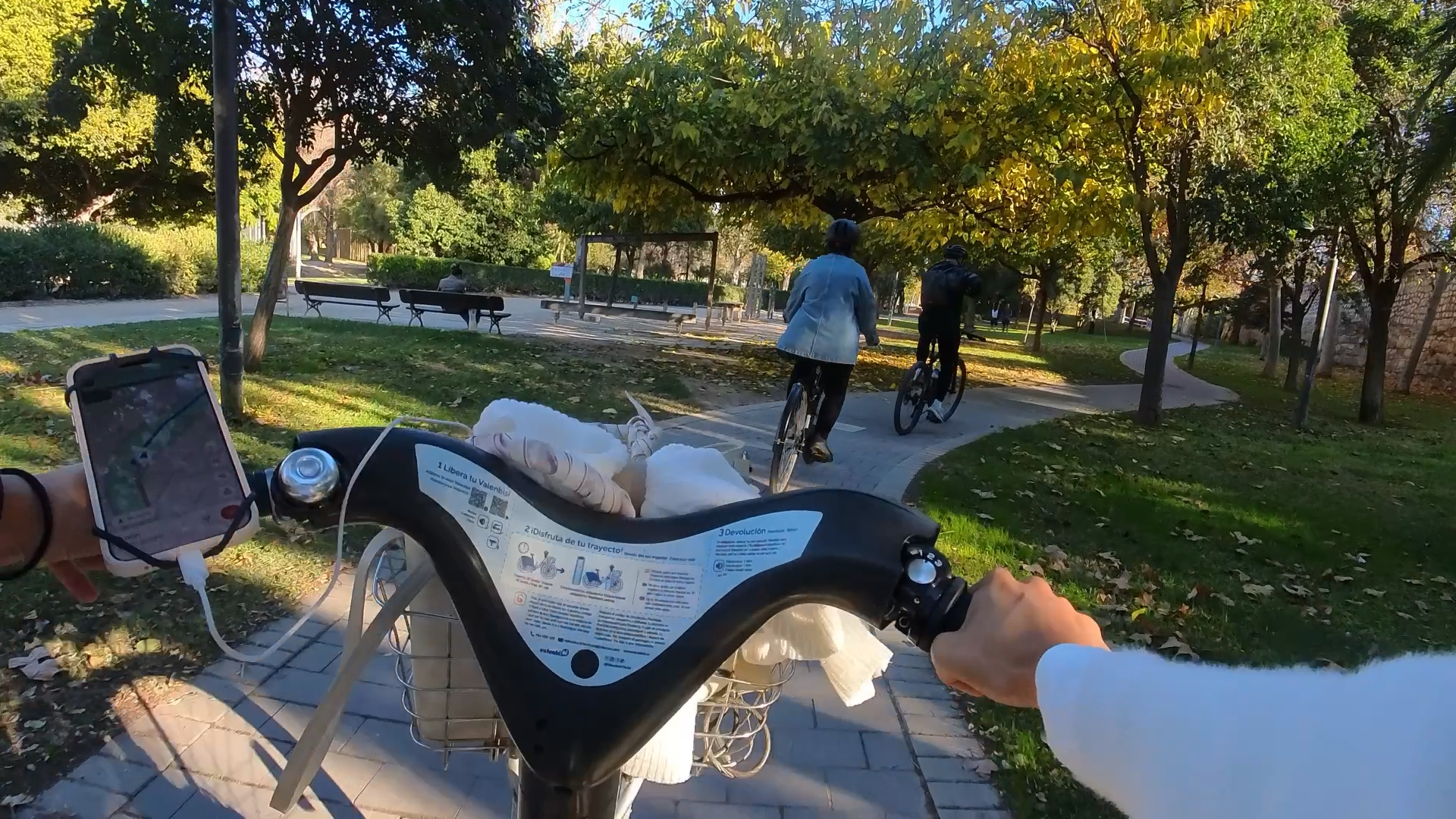
One of the things I love most is how bike friendly Valencia is. The city is flat, the bike lanes are safe, and with Valenbisi, I can go almost anywhere. Biking became part of my routine, not something I do once in a while.
Getting Around with Luggage
One practical thing to know when moving around Valencia is luggage. If you arrive early, leave late or move between neighborhoods, having a secure place to store your bags makes the city even more walkable.
I personally use Radical Storage, which has multiple luggage storage locations across Valencia and makes moving around the city much easier.
Disclosure: If you book through this link, I may earn a small commission at no extra cost to you.
Nature and City Balance
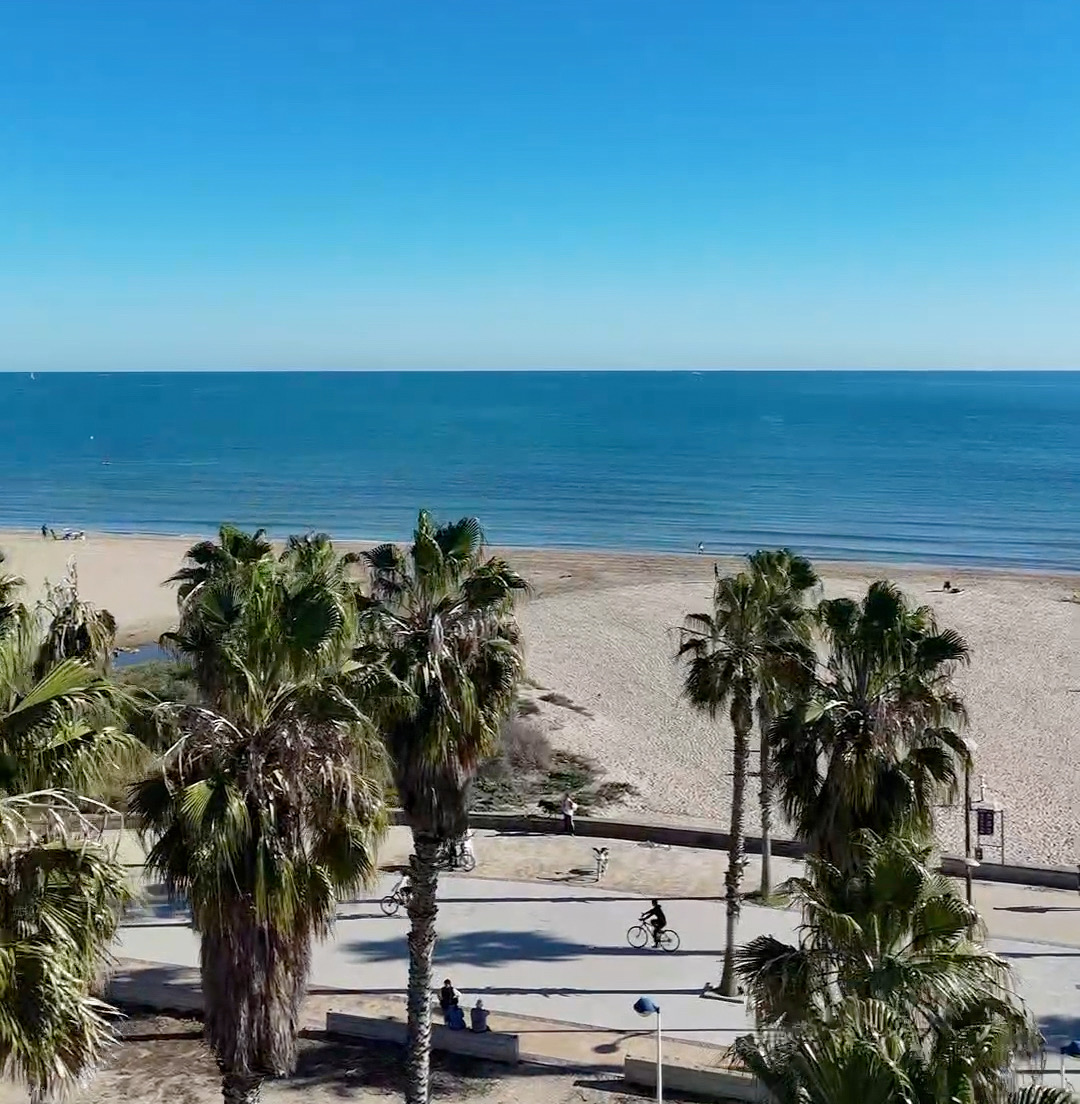
Turia Park is like the heart of the city. It is where people run, bike, walk their dogs, read, or simply enjoy the sun. From there, the beach is close, and hiking spots are not far. I like being able to shift from city life to nature without effort.
Community, Activities and Lifestyle
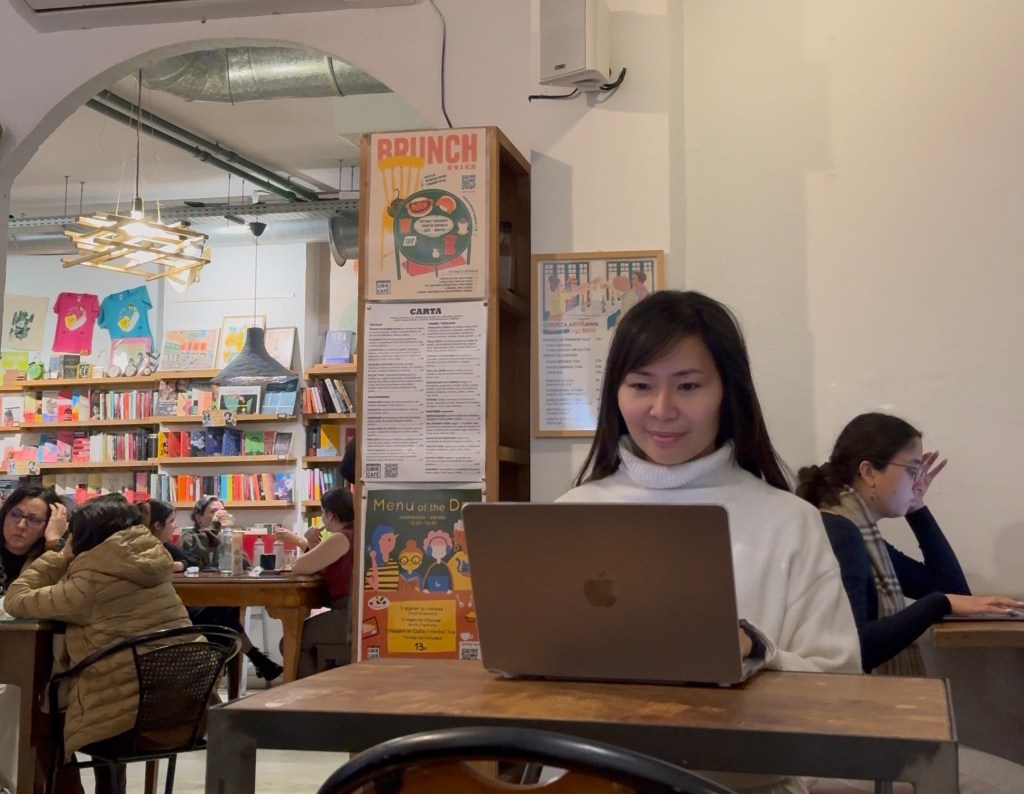
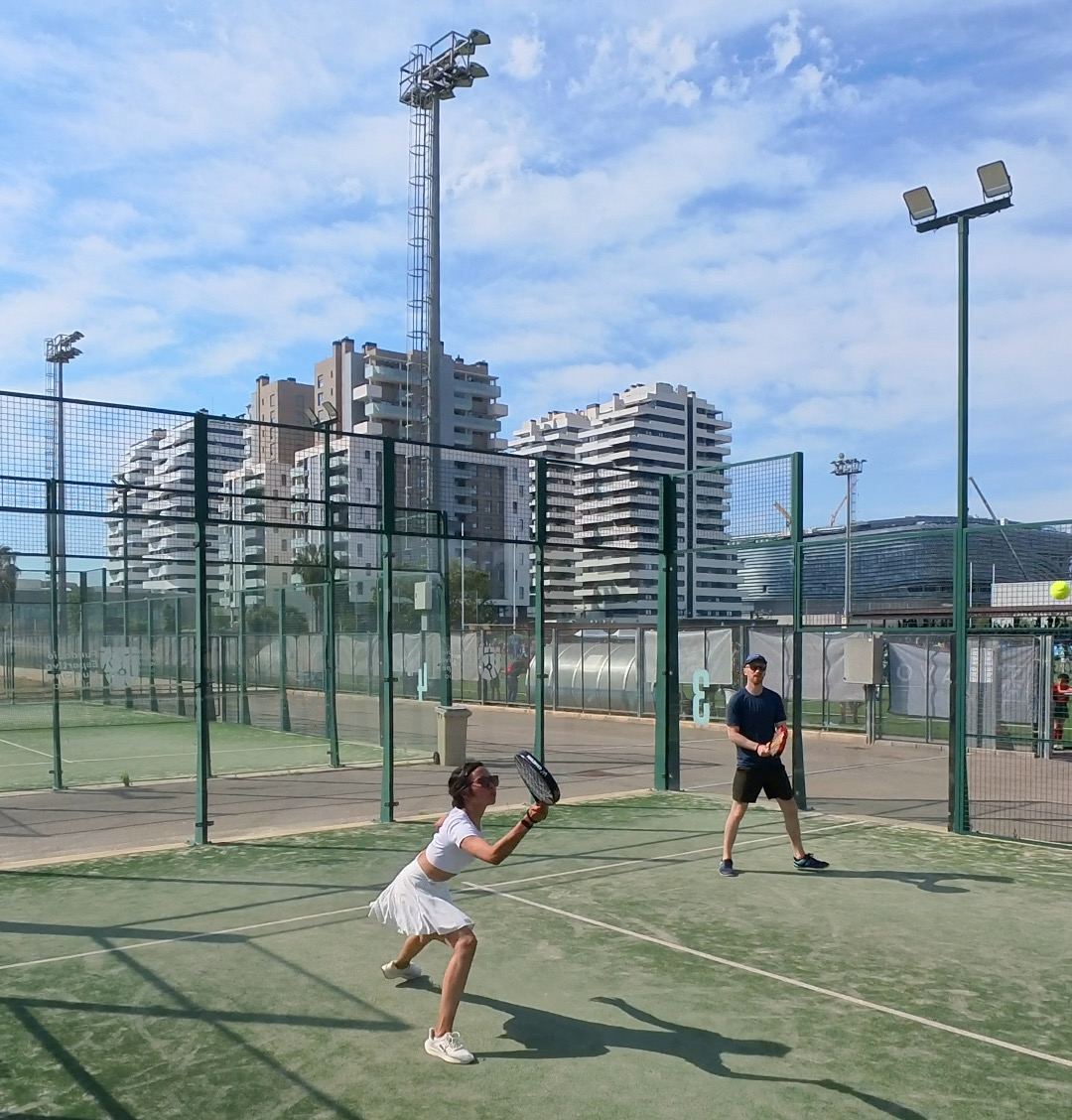
Valencia has a warm community feeling. There is a good mix of locals and expats. I can join yoga classes, play padel or tennis, meet digital nomads or attend events. It is easy to meet people without forcing anything.
The overall pace of life is relaxed. People take their time. The lifestyle here feels aligned with how I want to live.
Infrastructure and Connectivity
Another reason Valencia works for me is connectivity.
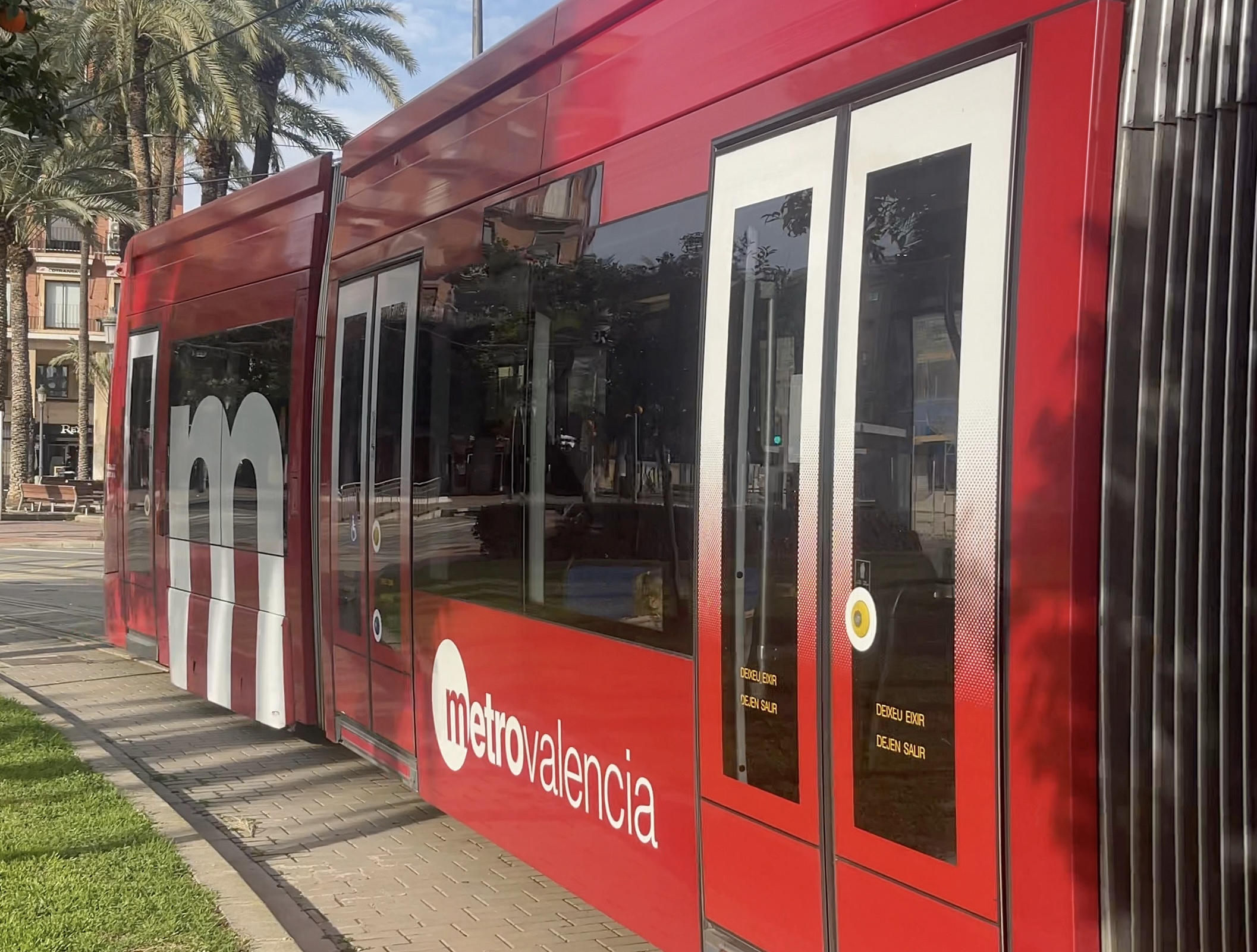
The airport is not as big as Madrid or Barcelona, but it is big enough. If I need more flight options, especially for long haul travel to Asia, I can easily take a train or BlaBlaCar to Madrid or Barcelona.
Valencia also sits in a very convenient location. It is close to Madrid, close to Barcelona, and well connected by train. That central position matters more than people realize.
Flights to Valencia
Valencia is well connected to major European cities, making it easy to reach whether you’re relocating or visiting. I usually compare flights using Aviasales, which searches across multiple airlines and booking platforms to find the best routes and prices.
Disclosure: If you book through this link, I may earn a small commission at no extra cost to you.
The Weather
As someone who grew up in a warm climate, Valencia’s weather was a major factor.
Even in winter, it is livable. You can be outside, walk comfortably, bike, sit in the sun and enjoy daily life without feeling trapped indoors. That alone changes your quality of life.
What Surprised Me About Valencia
I did not expect Valencia to have so many activities. It is not boring at all.
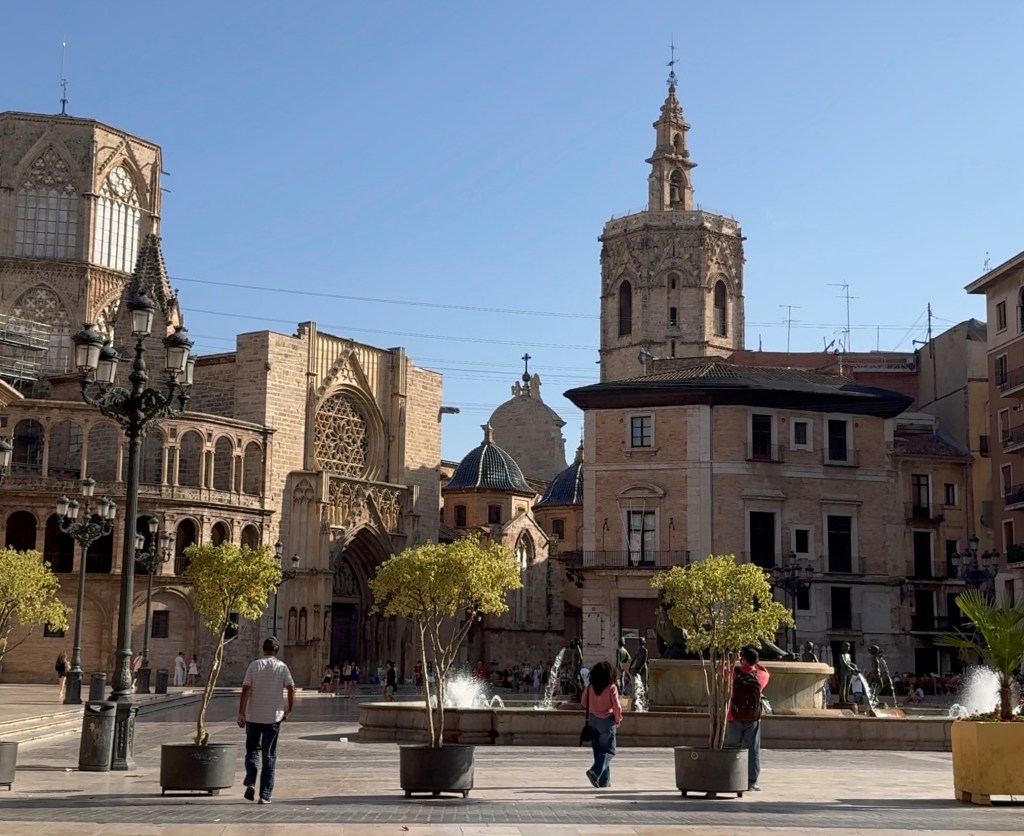
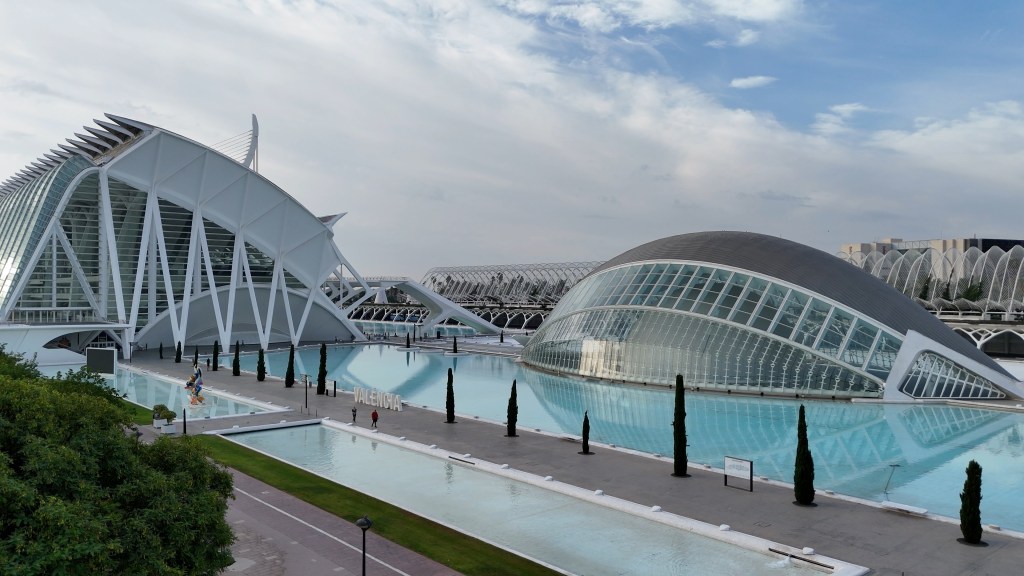
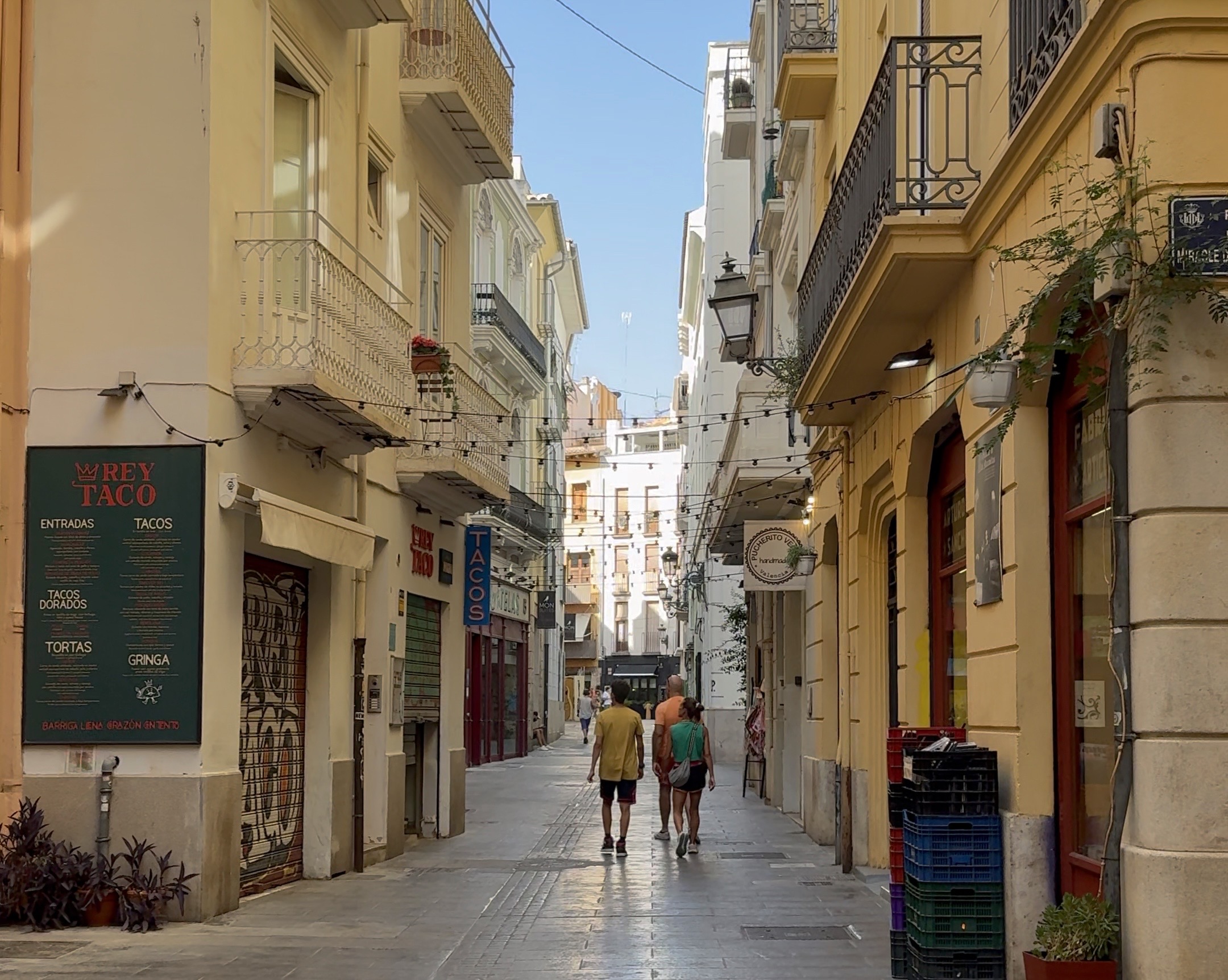
There are events, sports, cultural activities, and a variety of neighborhoods that all feel different. I especially love areas like El Carmen, Cabanyal, Ciudad Vella, the Turia area and the surroundings of the City of Arts and Sciences.
The pace of life took some adjusting, especially things like siesta and different daily rhythms, but overall, it felt natural rather than frustrating.
The Honest Downside: Rising Prices
Valencia is not as cheap as it used to be.
Many locals have told me that rent and prices have gone up significantly since before the pandemic. In some cases, prices have doubled or even tripled. While Valencia can still be more affordable than Barcelona or Madrid in certain aspects, it is no longer a cheap city.
Cost really depends on where you are coming from. For people used to cities like London or Los Angeles, Spain may feel affordable. For people coming from countries with lower income levels, it can feel expensive.
Is Valencia Right for Everyone?
Probably not, and that is okay.
Some people struggle to integrate into the culture. Others find the city too quiet or not exciting enough. Some simply do not vibe with it.
Cities are personal. Valencia works for me because it fits how I want to live right now.
Thinking About Moving to Spain?
If you’re considering Spain for longer-term living, visas like the Digital Nomad Visa (DNV) or Non-Lucrative Visa (NLV) can make it possible.
I went through this process myself and worked with an immigration lawyer during my application. If you want professional guidance or clarity on which visa fits your situation, you can book a private consultation below.
Disclosure: If you book through this link and proceed successfully, I may receive a referral commission. I only recommend services I have personally used and trust.
Final Thoughts
I did not choose Valencia because it is trendy or perfect. I chose it because it works for my lifestyle, my pace and my priorities.
It is a city where I can move slowly, stay active, enjoy the sun and still feel connected to the rest of Europe.
Valencia was not the loudest option, but it turned out to be the most aligned one for me.
If you are considering Spain, slow travel or a more grounded way of living abroad, I hope this offered clarity beyond the usual comparisons. You will find more reflections like this here on the blog.









 MaureenTravelChic